When homeowners and business owners start comparing fencing materials, aluminum fencing consistently rises to the top of the list for one simple reason: it delivers a beautiful, durable, low-maintenance fence at a price point that is far more accessible than wrought iron but far more refined than basic wood or chain link. This guide breaks down everything you need to know about the real benefits, honest costs, and practical considerations of choosing aluminum fencing for your property.
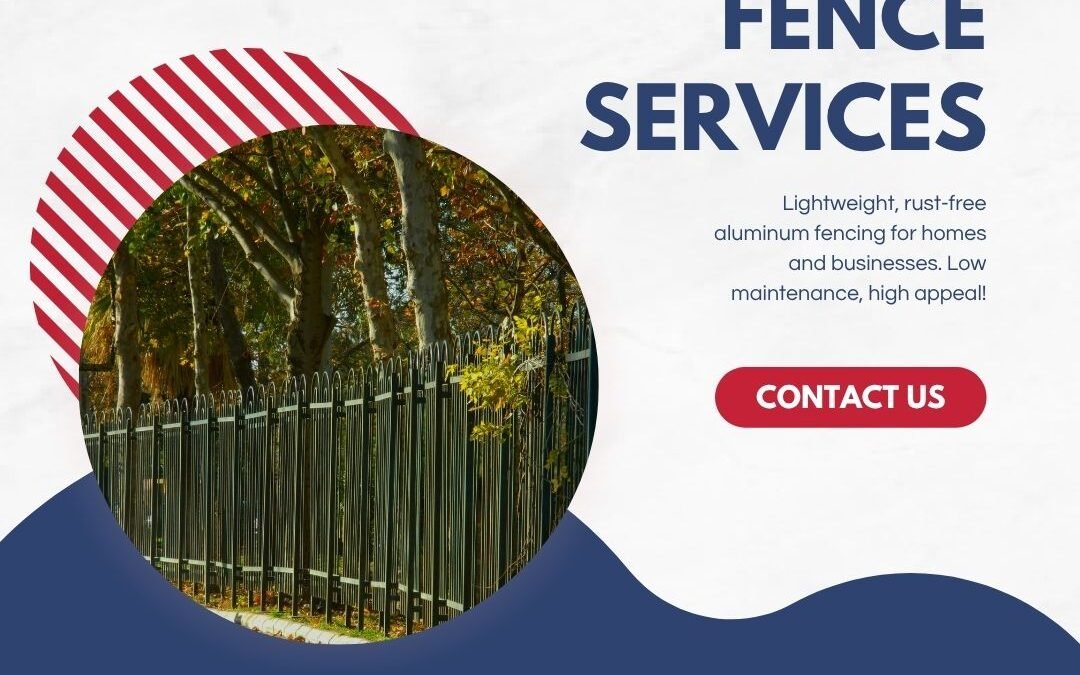
Aluminum fencing is a type of metal fencing manufactured from extruded aluminum sections, typically assembled into panels with vertical pickets set between horizontal rails. It is one of the most popular fencing choices in North America because it combines the elegant appearance of traditional wrought iron with the lightweight, rust-proof, and virtually maintenance-free properties of aluminum as a material.
Why Does Aluminum Fencing Resist Rust and Corrosion So Well?
Unlike steel or wrought iron, aluminum does not rust. It forms a natural oxide layer on its surface that actually protects the metal from further corrosion. When aluminum fencing is also finished with a powder coat, it gains an additional layer of protection against moisture, UV rays, and harsh weather conditions.
This makes aluminum fencing particularly well suited for coastal properties where salt air rapidly degrades steel and iron, as well as for pool enclosures where the fence is in constant contact with chlorinated water and high humidity.
From direct experience working on coastal and poolside fencing installations, aluminum consistently outlasts both steel and wood alternatives in these high-moisture environments by a significant margin. A quality powder-coated aluminum fence installed near a saltwater pool can easily last 30 years or more with nothing more than an occasional rinse.
How Long Does Aluminum Fencing Last Compared to Other Materials?
Aluminum fencing is one of the longest-lasting fencing materials available. Here is how it compares across the major fencing types:
| Fencing Material | Average Lifespan | Rust Risk | Maintenance Level |
|---|---|---|---|
| Aluminum | 30 or more years | None | Very Low |
| Wrought Iron | 20 to 50 years | High | High |
| Wood | 10 to 15 years | Not applicable | High |
| Vinyl | 20 to 30 years | None | Very Low |
| Chain Link | 15 to 20 years | Medium | Low |
| Steel | 20 to 30 years | High without coating | Medium |
The combination of a long lifespan and minimal maintenance requirements makes aluminum fencing one of the best long-term value investments in the fencing category.
Why Is Aluminum Fencing Considered Low Maintenance?
Maintaining aluminum fencing requires almost no effort compared to wood or iron alternatives. You will never need to paint it, stain it, sand it, or treat it for rust. In most cases, an annual rinse with a garden hose and a mild soap solution is all that is needed to keep the fence looking clean and new.
The powder coat finish applied during manufacturing bonds to the aluminum surface at a molecular level, resisting chipping, peeling, and fading for many years. Most reputable manufacturers offer powder coat warranties of 20 years or more, which tells you a great deal about how durable this finish is in real-world conditions.
What Styles and Designs Are Available in Aluminum Fencing?
One of the strongest selling points of aluminum fencing is the sheer variety of styles available. Unlike chain link or basic wood pickets, aluminum panels are manufactured in a wide range of designs that can complement nearly any architectural style.
Common aluminum fencing styles include:
- Flat top panels for a clean, modern look suitable for contemporary homes and commercial properties
- Spear top panels for a classic, ornamental appearance that resembles traditional wrought iron
- Pool style panels with no-climb spacing designed to meet most local pool code requirements
- Estate style panels with double pickets or decorative scrollwork for premium curb appeal
- Commercial grade panels with heavier gauge aluminum for perimeter security applications
- Three-rail and four-rail designs for farm, ranch, or equestrian property boundaries
Colors are equally varied. While black is the most classic and widely used choice, aluminum fencing is also available in white, bronze, gold, and custom powder coat colors that can match your home’s exterior palette precisely.
How Much Does Aluminum Fencing Cost Per Linear Foot?
The cost of aluminum fencing varies based on style grade, panel height, and local labor rates. Here is a general pricing guide to help you budget your project:
| Grade Level | Material Cost Per Linear Foot | Installed Cost Per Linear Foot |
|---|---|---|
| Residential Grade | 20 to 35 dollars | 35 to 60 dollars |
| Commercial Grade | 30 to 50 dollars | 55 to 85 dollars |
| Premium or Estate Grade | 45 to 80 dollars | 75 to 120 dollars |
These ranges reflect national averages and will vary based on your location, the complexity of the installation terrain, and the specific manufacturer and supplier you choose.
What Factors Affect the Total Cost of an Aluminum Fence Installation?
Several variables influence how much you will ultimately pay for your aluminum fencing project:
- Fence height: Taller panels require more material and more structural support, which raises both material and labor costs
- Linear footage: Longer fence runs generally reduce the per-linear-foot cost due to economies of scale in material ordering and installation efficiency
- Terrain complexity: Sloped yards, rocky ground, and areas with existing landscaping increase installation labor time
- Gate quantity and style: Each gate adds cost for the gate panel itself plus the hardware, which is priced separately from the fence panels
- Post depth requirements: Frost lines in colder climates require deeper post holes and more concrete, adding to material and labor costs
- Permit fees: Some municipalities require permits for fence installation, and those fees vary widely by location
Why Is Aluminum Fencing a Smart Long-Term Investment?
When you compare aluminum fencing purely on upfront cost, it appears more expensive than wood or chain link. But when you factor in the total cost of ownership over 20 to 30 years, the picture changes dramatically.
A wood fence that costs 3,000 dollars to install may require repainting or staining every three years at several hundred dollars per treatment, plus board replacements as sections rot or warp. Over 20 years, that original 3,000 dollar investment can easily cost twice as much in maintenance and repair.
An aluminum fence installed for 5,000 dollars may cost less than 200 dollars total in maintenance over the same 20-year period, making the actual lifetime cost significantly lower than the wood alternative.
What Are the Limitations of Aluminum Fencing?
No fencing material is perfect for every application, and aluminum fencing has a few honest limitations worth understanding before you commit to a purchase.
Why Is Aluminum Fencing Not the Best Choice for Privacy?
The open picket design that makes aluminum fencing so attractive is also the reason it provides almost no privacy. If screening your yard from neighbors or street-level visibility is a priority, a solid wood or vinyl privacy fence will serve that goal far better than aluminum.
Aluminum fencing is best used as a boundary marker, decorative perimeter, pool enclosure, or security fence where visibility through the fence is acceptable or even desirable.
How Strong Is Aluminum Fencing Compared to Steel or Iron?
Aluminum is a lighter metal than steel or wrought iron, and while it is durable under normal conditions, it is more susceptible to bending or denting under significant physical impact. For high-security perimeter fencing where preventing forced entry is the primary goal, commercial-grade steel or heavy-gauge chain link may provide better resistance.
For the vast majority of residential and light commercial applications, however, aluminum fencing provides more than sufficient strength and security.
How Does AYMS Fence Help With Aluminum Fencing Projects?
AYMS Fence specializes in helping homeowners and business owners select, supply, and install aluminum fencing that matches their exact needs, budget, and design preferences. Their experienced team understands the technical differences between residential, commercial, and estate grade aluminum panels and can help you choose the right specification for your specific application.
When Is Aluminum Fencing the Right Choice for Your Property?
Aluminum fencing is the right choice when you need a combination of durability, low maintenance, and attractive appearance without the ongoing cost and effort that wood or iron fencing demands.
It is particularly well suited for:
- Pool enclosures where code compliance and corrosion resistance are both required
- Front yard and garden fencing where curb appeal matters but privacy is not the goal
- Coastal or high-humidity properties where rust would rapidly degrade iron or steel
- Commercial properties where a professional appearance and long service life are priorities
- HOA communities where fence appearance standards require an attractive, consistent look
- Sloped properties where aluminum’s rackable panel design adapts to grade changes more easily than rigid fence types
Frequently Asked Questions About Aluminum Fencing
Is aluminum fencing strong enough to keep dogs contained?
Yes, aluminum fencing is strong enough to contain most dog breeds when installed at the correct height and with appropriate picket spacing. For larger breeds or determined escape artists, choose a fence that is at least five to six feet tall and select a panel with tight picket spacing to prevent squeezing through or gaining footholds for climbing.
Does aluminum fencing need to be painted?
No. Aluminum fencing comes from the manufacturer with a powder coat finish already applied, and that finish does not require painting. The powder coat is far more durable than paint and resists chipping, peeling, and fading for many years. If a section is scratched or damaged, touch-up paint in a matching color can be applied to protect the exposed metal.
How do I clean aluminum fencing?
Cleaning aluminum fencing is simple. Use a garden hose to rinse off loose dirt and debris, then apply a mild soap solution with a soft cloth or sponge for any areas with built-up grime or oxidation. Rinse thoroughly afterward. Avoid abrasive cleaners or steel wool, which can scratch the powder coat surface.
Can aluminum fencing be installed on a slope?
Yes. Most aluminum fencing panels are available in a rackable design that allows them to follow the natural grade of sloped terrain. The pickets remain vertical while the rails angle to match the ground slope. For steep grades, a step installation method using level panels set at descending heights is an alternative approach that some homeowners prefer aesthetically.
How do I get a permit for aluminum fence installation?
Contact your local building or zoning department to find out whether a permit is required for fence installation in your municipality. Most jurisdictions require you to submit a site plan showing the proposed fence location, height, and material. Your fencing contractor can typically assist with the permit application process, and companies like AYMS Fence are familiar with local requirements in the areas they serve.
What is the difference between residential grade and commercial grade aluminum fencing?
Residential grade aluminum fencing uses lighter gauge aluminum pickets and rails suited for standard home applications. Commercial grade aluminum uses heavier gauge components with thicker walls that provide greater strength and impact resistance. Commercial grade is recommended for applications with higher security needs, heavier gate loads, or locations where the fence may face regular physical contact or stress.
Can I install aluminum fencing myself?
Aluminum fencing installation is possible as a DIY project for homeowners with moderate construction experience, especially on flat ground with straightforward layouts. However, professional installation is recommended for sloped terrain, large projects, pool code compliance situations, or any installation where post-setting depth and concrete anchoring must meet specific code requirements. A professional installation also typically comes with a workmanship warranty that a DIY installation does not.
Summary
Aluminum fencing delivers an outstanding combination of long lifespan, minimal maintenance, attractive appearance, and reasonable cost that places it among the top fencing choices for residential and commercial properties alike. While it costs more upfront than wood or chain link, the dramatically lower long-term maintenance cost makes it one of the most economical choices over the full life of the fence.
It performs best in applications where durability, corrosion resistance, and visual appeal are priorities, and it is especially well suited for pool enclosures, coastal properties, and front-yard decorative fencing.