
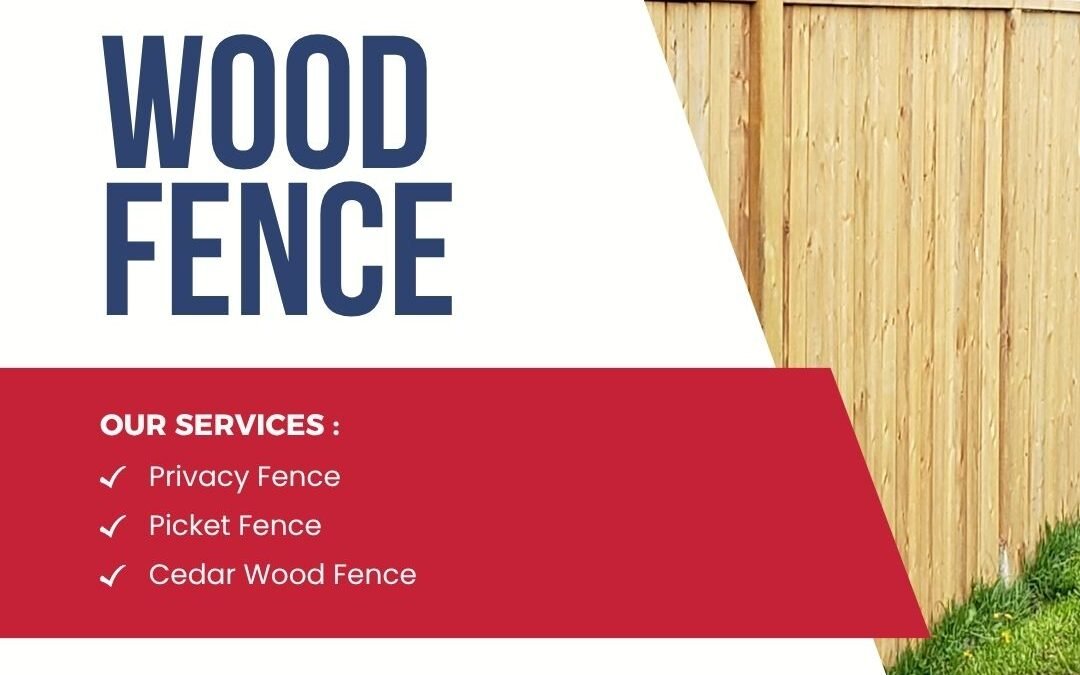
Wood fencing is one of the most classic and widely used boundary solutions for homes, gardens, and commercial properties. It combines natural beauty with practical functionality, making it a preferred choice for people who want both privacy and style.
A wood fence is a boundary structure made from natural timber panels or planks that are installed between posts to create privacy, security, and decorative appeal. It is popular because it enhances property appearance while offering a warm, natural look compared to metal or concrete fencing options.
What Is a Wood Fence and Why Is It Used?
A wood fence is a structure built using wooden boards, planks, or panels attached to vertical posts. It is commonly used for residential and light commercial properties.
Why people choose wood fencing
- Natural and attractive appearance
- Strong privacy protection
- Easy to customize design and height
- Suitable for gardens and homes
- Can be painted or stained in different colors
From real world experience, homeowners often choose wood fencing when they want their property to feel warm and private instead of industrial or metallic.
How Does a Wood Fence Work?
A wood fence works by creating a solid barrier between properties using vertical or horizontal wooden panels.
Basic structure
- Wooden posts fixed into the ground
- Horizontal rails for support
- Vertical or horizontal wooden boards attached
- Protective coating for durability
The strength of the fence depends on post depth, wood quality, and proper installation technique.
What Are the Main Types of Wood Fence?
There are several styles of wood fencing depending on privacy and design needs.
Common types
- Picket fence for decorative boundaries
- Privacy fence for full coverage
- Shadowbox fence for semi privacy
- Horizontal slat fence for modern designs
- Ranch style fence for open spaces
Each type serves a different purpose based on property style and security needs.
Why Is Wood Fence So Popular?
Wood fencing remains popular because it offers a balance of beauty, privacy, and affordability.
Key reasons
- Natural and aesthetic appearance
- High level of privacy
- Flexible design options
- Cost effective compared to stone walls
- Easy repair and replacement of sections
Many homeowners prefer wood fencing because it blends naturally with landscaping and garden environments.
What Are the Advantages of Wood Fence?
A wood fence offers multiple benefits for residential and commercial use.
Main advantages
- Strong privacy protection
- Attractive and natural appearance
- Customizable height and design
- Environment friendly material option
- Can increase property value
How Is a Wood Fence Installed?
Proper installation is essential for long lasting performance.
Step by step process
- Marking boundary area
- Digging post holes at equal distance
- Installing wooden posts in concrete
- Attaching horizontal support rails
- Fixing wooden panels or boards
- Applying protective seal or paint
Correct alignment ensures the fence remains stable and visually appealing over time.
When Should You Choose a Wood Fence?
Wood fencing is ideal in several situations.
Best situations
- When privacy is a top priority
- When you want a decorative boundary
- When designing a garden or backyard space
- When matching natural outdoor aesthetics
It is commonly used in residential homes where appearance matters as much as security.
What Are the Materials Used in Wood Fence?
Different types of wood affect durability and appearance.
Common wood types
- Cedar wood for durability and insect resistance
- Pine wood for affordability
- Redwood for premium appearance
- Pressure treated wood for weather resistance
Additional materials
- Concrete for post stability
- Metal fasteners and nails
- Protective sealants or paints
Choosing the right material improves lifespan and reduces maintenance needs.
How Long Does a Wood Fence Last?
The lifespan depends on wood quality and maintenance.
Average lifespan
- 10 to 15 years for standard wood
- 15 to 25 years for high quality treated wood
Regular maintenance such as sealing and painting can significantly extend durability.
What Are the Disadvantages of Wood Fence?
While wood fencing is attractive, it also has some limitations.
Common drawbacks
- Requires regular maintenance
- Can be affected by moisture and termites
- May fade or crack over time
- Less durable than metal fencing in extreme weather
However, proper treatment and maintenance can reduce these issues.
Real World Example of Wood Fence Use
In a residential project, a family wanted privacy for their backyard garden without using a concrete wall. A wood fence was installed with a stained cedar finish.
Outcome
- Improved privacy for outdoor activities
- Enhanced garden appearance
- Comfortable and natural outdoor space
- Increased property value perception
This shows how wood fencing can transform outdoor living spaces.
How to Maintain a Wood Fence
Proper maintenance ensures long lasting performance.
Maintenance tips
- Apply protective sealant every 1 to 2 years
- Check for termite or insect damage
- Repair broken boards quickly
- Clean dirt and mold regularly
- Repaint when color fades
Consistent care keeps the fence strong and visually appealing.
FAQs About Wood Fence
1. What is a wood fence used for?
A wood fence is used for privacy, decoration, and property boundary marking in homes and commercial spaces.
2. Is wood fence better than metal fence?
It depends on need. Wood is better for privacy and appearance, while metal is better for durability.
3. How long does a wood fence last?
A wood fence can last 10 to 25 years depending on material quality and maintenance.
4. Does wood fence require maintenance?
Yes, regular sealing, painting, and inspection are required to maintain durability.
5. Can wood fence be customized?
Yes, it can be designed in different styles, heights, and colors.
6. Is wood fence expensive?
It is moderately priced, but cost varies depending on wood type and design.
7. Can wood fence handle bad weather?
Yes, treated wood fences can handle weather conditions if properly maintained.
Summary
A wood fence is a timeless and versatile fencing solution that offers privacy, beauty, and customization for residential and commercial properties. While it requires regular maintenance, its natural appearance and design flexibility make it one of the most preferred fencing options.