
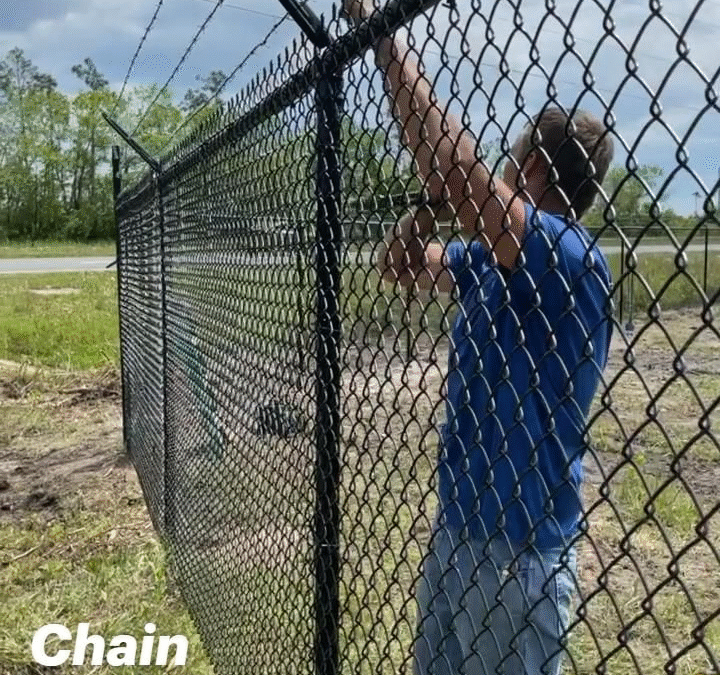
Installing a strong and reliable boundary around your property is essential for safety, privacy, and long term durability. Many homeowners and business owners choose a practical fencing solution that is cost effective, easy to maintain, and suitable for different environments.
A chain link fence is installed by setting metal posts in the ground, attaching a top rail for stability, and stretching a woven steel mesh tightly between the posts to form a secure boundary. When installed correctly, it provides long lasting protection, visibility, and airflow for residential and commercial properties.
What Is a Chain Link Fence and Why Is It Used?
A chain link fence is a woven wire fencing system made from galvanized or PVC coated steel that forms a diamond shaped mesh. It is widely used because it is durable, affordable, and adaptable to different land types.
Why people choose it
- Strong and weather resistant material
- Suitable for large and small areas
- Allows visibility and airflow
- Easy to install and maintain
What Tools and Materials Are Needed?
Before starting installation, proper preparation is important. Missing tools can delay the entire process.
Essential tools
- Measuring tape
- Shovel or post hole digger
- Hammer and pliers
- Level tool
- Fence stretcher
Materials required
- Metal fence posts
- Chain link mesh roll
- Top rail pipes
- Tension wires
- Concrete mix
- Fence ties and fittings
A well prepared setup ensures smooth installation of a chain link fence without interruptions.
How to Install a Chain Link Fence Step by Step?
Installing a chain link fence requires proper planning and correct execution. Each step plays an important role in stability and durability.
Step 1: Plan and Measure the Area
Start by marking the boundary where the fence will be installed.
Important actions
- Measure total length of fencing area
- Mark corners using wooden stakes
- Decide gate placement
- Check ground level conditions
Accurate planning avoids material waste and alignment issues.
Step 2: Dig Post Holes
Posts are the backbone of a chain link fence, so proper depth is essential.
Guidelines
- Dig holes 2 to 3 feet deep
- Keep equal spacing between posts
- Ensure corner posts are stronger and deeper
In real installations, uneven post spacing is one of the most common mistakes that affects fence alignment.
Step 3: Install and Fix Fence Posts
Posts must be set firmly to support tension.
Process
- Place posts in holes
- Fill with concrete mix
- Use level tool to ensure straight alignment
- Allow concrete to dry completely
Strong posts ensure that the chain link fence remains stable for years.
Step 4: Attach the Top Rail
The top rail connects all posts and adds structural strength.
Steps
- Connect rails from one post to another
- Secure with fittings
- Ensure smooth alignment
This step prevents sagging of the fence over time.
Step 5: Unroll and Attach Chain Link Mesh
Now the main fencing material is installed.
Procedure
- Unroll mesh along fence line
- Attach one end to corner post
- Stretch mesh using fence stretcher
- Fix with ties along posts
Proper tension is important for a clean and strong chain link fence structure.
Step 6: Secure Bottom and Top Wires
Additional wires improve stability.
Actions
- Install tension wire at bottom
- Tighten mesh evenly
- Secure edges properly
This prevents animals or objects from damaging the fence from below.
Step 7: Install Gates (If Required)
Gates provide controlled access.
Steps
- Fix gate posts firmly
- Attach hinges and gate frame
- Test opening and closing movement
A properly installed gate completes the chain link fence system.
Why Is Proper Installation Important?
Incorrect installation can reduce durability and safety.
Common issues from poor installation
- Fence sagging over time
- Weak post foundation
- Uneven tension in mesh
- Rust formation at weak points
From real project experience, most repair cases occur due to improper post setting or insufficient tensioning.
When Should You Install a Chain Link Fence?
Timing plays an important role in fencing projects.
Best situations
- During new construction projects
- Before moving into a new property
- When replacing old fencing systems
- When increasing security measures
Installing early saves cost and avoids future structural issues.
How Does Chain Link Fence Perform in Different Environments?
A chain link fence is suitable for various environments due to its flexibility.
Residential use
- Gardens and home boundaries
- Pet protection areas
- Backyard security
Commercial use
- Warehouses and factories
- Storage facilities
- Construction sites
Agricultural use
- Livestock protection
- Farm boundary marking
- Crop protection areas
Its adaptability makes it a widely used fencing solution.
What Are the Common Mistakes During Installation?
Avoiding mistakes ensures long term performance.
Frequent errors
- Incorrect post depth
- Poor tensioning of mesh
- Weak concrete base
- Ignoring ground leveling
In many field installations, correcting these mistakes later increases cost significantly.
Maintenance Tips After Installation
Even though a chain link fence is low maintenance, basic care improves lifespan.
Maintenance tips
- Check tension once every few months
- Inspect for rust or damage
- Tighten loose wires
- Clean debris around fence base
Regular inspection ensures long term durability.
FAQs About Chain Link Fence Installation
1. How long does it take to install a chain link fence?
Installation time depends on area size, but small projects usually take 1 to 3 days.
2. Is chain link fence difficult to install?
It is moderately simple but requires proper tools and correct tensioning for best results.
3. How deep should fence posts be?
Posts should generally be 2 to 3 feet deep for stability.
4. Can I install chain link fence on uneven ground?
Yes, it can be installed on uneven ground with proper adjustment of post height.
5. What is the lifespan of chain link fence?
A well installed fence can last many years with minimal maintenance.
6. Do I need concrete for fence posts?
Yes, concrete helps keep posts stable and prevents movement over time.
7. Is professional installation better?
Yes, professional installation ensures proper alignment, tension, and durability.
Summary
Installing a chain link fence requires proper planning, correct tools, and step by step execution including post setting, mesh installation, and tension adjustment. When installed correctly, it provides strong, durable, and cost effective boundary protection for residential and commercial properties.