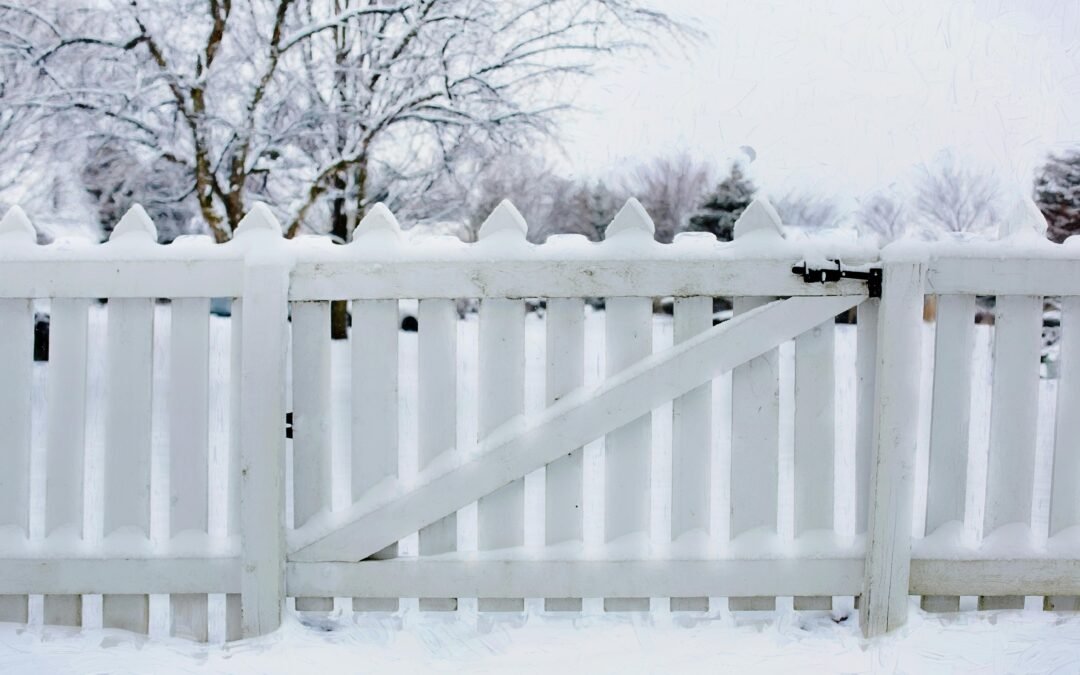
Your wood fence has seen better days. Maybe you’ve noticed a few leaning posts, some rotting boards, or gaps that weren’t there last summer. The good news? Most wood fence problems are fixable without tearing everything down and starting over.
Wood fence repair typically involves fixing rotted posts, replacing damaged boards, addressing leaning sections, treating warped wood, and reinforcing loose hardware. Most repairs cost between $150 and $400 when done yourself, and the average homeowner can complete basic fixes in a single weekend with standard tools. Early intervention prevents small issues from becoming expensive replacements.
What Are the Most Common Wood Fence Problems?
After inspecting hundreds of fences over the years, I’ve found that most issues fall into a handful of categories. Understanding what you’re dealing with is the first step toward fixing it.
Rotting Posts and Boards
Wood rot is the number one enemy of fences. It happens when moisture gets trapped in the wood fibers, creating the perfect environment for fungi to break down the cellular structure.
Signs of rot include:
- Soft, spongy wood that gives when pressed
- Discoloration (usually darker patches)
- Crumbling or flaking surfaces
- Mushroom-like growths near the base
Posts rot fastest at ground level where soil moisture constantly attacks the wood. I’ve seen posts that looked perfectly fine above ground completely deteriorate below the surface.
Leaning or Unstable Sections
A leaning fence usually points to one of three problems:
| Cause | What to Look For | Difficulty to Fix |
| Post rot | Soft wood at base, movement when pushed | Moderate |
| Soil erosion | Gaps around post base, visible settling | Easy |
| Inadequate depth | Post sits less than 24 inches deep | Difficult |
| Wind damage | Sudden lean after storms | Moderate |
Warped, Cracked, or Split Boards
Wood naturally expands and contracts with humidity changes. Over time, this movement causes:
- Cupping (boards curve across their width)
- Bowing (boards curve along their length)
- Checking (surface cracks along the grain)
- Splitting (deep cracks that go through the board)
Loose or Missing Hardware
Nails work themselves out. Screws strip. Brackets rust. Hardware failure might seem minor, but loose connections stress other components and accelerate overall fence deterioration.
Pest Damage
Termites and carpenter ants love untreated wood fences. Look for:
- Small holes or tunnels in the wood
- Sawdust-like debris (frass) near the base
- Hollow-sounding boards when tapped
- Visible insects or mud tubes
How Do You Repair a Rotted Fence Post?
Rotted posts are the most common repair I tackle, and there are several approaches depending on how bad the damage is.
Option 1: Post Mender Bracket (Easiest)
If the rot is concentrated at ground level but the upper post is solid, a steel post mender can save you from digging.
Steps:
- Cut away the rotted section, leaving solid wood
- Dig out soil around the remaining post base
- Slide the post mender bracket over the good wood
- Drive the bracket’s spike into the ground
- Secure with lag bolts through the bracket
This fix works well and typically costs under $30 per post.
Option 2: Concrete Collar Repair
For posts with surface rot that haven’t lost structural integrity:
- Excavate around the post to expose damaged areas
- Remove all soft, rotted wood with a chisel
- Apply wood hardener to remaining wood
- Fill voids with exterior wood filler
- Pour a concrete collar around the base
- Slope the concrete away from the post for drainage
Option 3: Full Post Replacement
Sometimes there’s no saving a post. Here’s how to replace one without rebuilding the entire fence section:
- Support the fence panels on both sides with temporary braces
- Remove fasteners connecting rails to the post
- Dig out the old post and concrete footing
- Set the new post at least 24 inches deep (deeper for tall fences)
- Use gravel at the bottom for drainage
- Fill with concrete, crowning it slightly above grade
- Wait 24-48 hours before reattaching rails
How Do You Fix a Leaning Wood Fence?
A leaning fence doesn’t always need post replacement. Here are fixes based on the underlying cause.
For Minor Leans (Less Than 15 Degrees)
- Dig a hole on the side opposite the lean
- Push the fence back to vertical (use a level)
- Brace it temporarily with 2x4s
- Pour concrete into the hole
- Let cure for 48 hours before removing braces
For Leans Caused by Soil Issues
Expansive clay soil and erosion undermine fence stability. Address these with:
- Adding compacted gravel around post bases
- Installing French drains to redirect water
- Building up soil grades to slope away from posts
When Fence Anchors Help
Metal fence anchors driven into solid ground at an angle can pull leaning sections back into place. They work best on fences that have shifted due to wind rather than rot.
What’s the Best Way to Replace Damaged Fence Boards?
Board replacement is straightforward, but matching the new wood to weathered existing boards takes some finesse.
Step-by-Step Board Replacement
- Remove the damaged board by backing out screws or prying nails
- Measure the opening (don’t assume standard sizing)
- Cut replacement board to fit, leaving 1/8-inch gaps at each end
- Pre-drill holes to prevent splitting
- Attach with exterior screws (not nails—they’ll just work loose again)
Matching New Wood to Old
Fresh lumber looks nothing like a weathered fence. You have three options:
Let it weather naturally: New boards will gray to match within 6-12 months.
Apply a weathering stain: Products like iron acetate solution (made from steel wool dissolved in vinegar) instantly age new wood.
Stain everything: If you’re replacing multiple boards, consider staining the entire fence for a uniform look.
How Can You Prevent Future Fence Damage?
Prevention costs far less than repair. These maintenance practices extend fence life significantly.
Annual Inspection Checklist
Walk your fence line each spring and look for:
- Posts that move when pushed
- Boards pulling away from rails
- Signs of rot or pest damage
- Peeling stain or sealant
- Vegetation growing against the fence
Sealing and Staining Schedule
Reapply protective finish every 2-3 years, or when water stops beading on the surface. Clean the fence thoroughly first—a pressure washer on low setting works well.
Vegetation Management
Plants trap moisture against wood. Keep:
- Grass trimmed away from the fence base
- Climbing vines off the boards
- Sprinklers pointed away from fence panels
When Should You Repair vs. Replace a Wood Fence?
Not every fence deserves saving. Here’s how to decide.
Repair Makes Sense When:
- Damage is limited to specific sections
- Posts are generally sound
- The fence is less than 15 years old
- Repair costs stay under 50% of replacement cost
Replacement Makes Sense When:
- Multiple posts have severe rot
- More than 30% of boards need replacing
- The fence has structural design flaws
- You want to change the style or height
Cost Comparison
| Repair Type | DIY Cost | Professional Cost |
| Single post replacement | $40-75 | $150-300 |
| Board replacement (10 boards) | $50-100 | $200-400 |
| Leaning section repair | $30-60 | $150-250 |
| Full fence replacement (100 ft) | $1,500-3,000 | $3,000-6,000 |
Frequently Asked Questions About Wood Fence Repair
How long does a wood fence typically last before needing repairs?
Most wood fences need their first significant repairs between years 5 and 8. With proper maintenance, a well-built cedar or redwood fence can last 15-20 years. Pine and spruce fences typically need more frequent attention, often showing problems within 5 years if not properly sealed.
Can I repair a wood fence in winter?
Yes, but with limitations. Concrete needs temperatures above 40°F to cure properly, so post setting becomes challenging. Board replacements and hardware fixes work fine in cold weather. If you must set posts in winter, use fast-setting concrete and insulate the pour with straw or blankets.
What tools do I need for basic wood fence repairs?
A basic fence repair toolkit includes: a post level, circular saw or handsaw, drill/driver with bits, pry bar, digging bar or post hole digger, hammer, tape measure, safety glasses, and work gloves. For post replacement, you’ll also need a wheelbarrow for mixing concrete and a tamping bar.
Is it worth repairing a fence that’s already 10 years old?
It depends on the overall condition. If the posts are solid and most boards are in good shape, targeted repairs absolutely make sense. A 10-year-old fence with one rotted post and a few damaged boards can easily serve another decade after repairs. Get quotes for both repair and replacement to make an informed decision.
How do I know if my fence post is rotted below ground?
Push firmly on the post at chest height. If it moves more than half an inch, there’s likely rot or loose soil below grade. You can also probe around the base with a screwdriver—if it sinks easily into the wood, rot has set in. For certainty, dig down 6-8 inches and visually inspect the post.
Should I use nails or screws for fence repairs?
Screws outperform nails for repairs. They hold better, don’t pop out over time, and make future repairs easier. Use exterior-rated deck screws—stainless steel in coastal areas or hot-dipped galvanized elsewhere. The slight extra cost saves significant frustration later.
What type of wood is best for replacement boards?
Cedar and redwood offer natural rot resistance and are ideal for replacements. If matching existing pressure-treated pine, use the same material for consistent weathering. Avoid untreated pine or fir unless you’ll immediately seal it with a quality exterior wood preservative.
Can I repair a fence that’s on a property line?
Technically, you can repair your side of a fence on a property line. However, check local regulations and your deed for easements or shared fence responsibilities. It’s wise to notify your neighbor before starting work, and always keep repairs on your property. For significant repairs or replacement, a conversation about cost-sharing often makes sense.
Summary
Wood fence repair is well within reach for most homeowners. The key is catching problems early—a rotted post section or a few damaged boards won’t spread if you address them promptly. Start with a thorough inspection, identify what’s actually wrong, and match your repair approach to the specific problem.
Most common issues like post rot, leaning sections, and damaged boards can be fixed in a weekend with basic tools. When repairs start exceeding half the cost of replacement, or when structural problems are widespread, that’s when building new makes more financial sense.