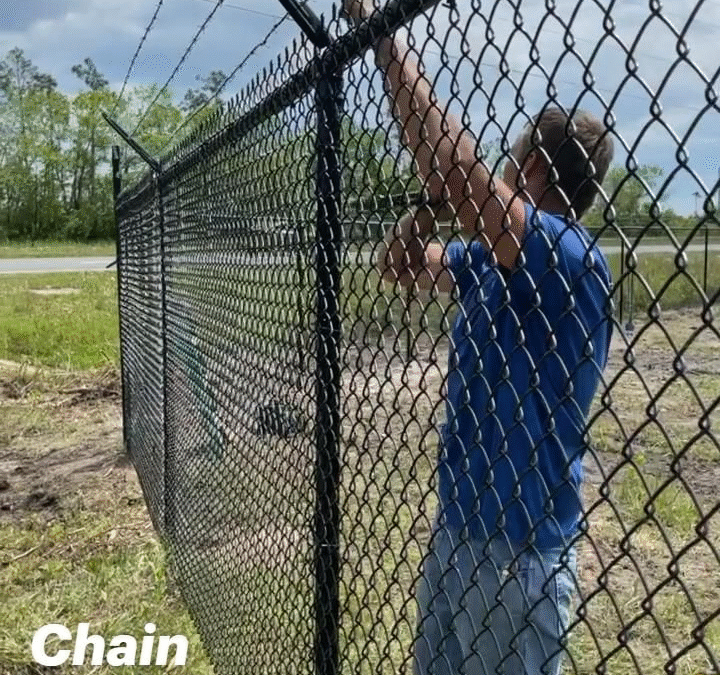
Your fence plays a crucial role in your property’s security, privacy, and curb appeal. Over time, however, fences can become worn, damaged, or weakened due to weather conditions, pests, or normal wear and tear. Identifying the signs your fence needs repair early can save you time, money, and effort, preventing more significant issues down the road.
The signs your fence needs repair are usually obvious and can include sagging posts, loose or broken panels, visible rot, or gaps. These problems, if left unaddressed, could lead to bigger, more expensive issues later on. Paying attention to the following signs can help you decide when it’s time to seek fence repair services.
What Are the Common Signs Your Fence Needs Repair?
A well-maintained fence should be strong, sturdy, and aesthetically pleasing. Here are the most common signs that indicate your fence may need repair.
1. Sagging or Leaning Fence Posts
Over time, weather conditions, moisture, and soil erosion can cause fence posts to shift or sag. If you notice that your fence is leaning to one side, it’s a strong indication that the posts need attention.
Why It Happens:
- Soil shifts due to weather changes.
- Improper installation of posts.
- Exposure to moisture over time weakens the posts.
What to Do:
- Check if the posts are firmly anchored in the ground.
- If they seem loose, you may need to reset or replace them to restore stability.
2. Broken or Missing Fence Panels
A missing or broken fence panel can compromise the integrity of your fence and its ability to provide privacy and security. Whether it’s caused by strong winds, impact, or natural wear, broken panels are a clear sign that you need fence repair.
Why It Happens:
- Weather damage, including storms and high winds.
- General wear and tear.
- Accidental damage from pets or animals.
What to Do:
- Check if the panel is salvageable or if a replacement is necessary.
- Look for the cause of the damage to prevent it from happening again.
3. Rotting or Decaying Wood
Wooden fences are particularly susceptible to rot and decay. If you see dark spots, mold, or a musty smell, your fence might be rotting. This problem is more common in humid areas or where the fence is frequently exposed to moisture.
Why It Happens:
- Continuous exposure to rain or moisture.
- Lack of proper treatment or maintenance.
- Pests, such as termites, may contribute to the decay.
What to Do:
- Replace rotting wood or use a sealant to prevent further damage.
- Consider opting for more weather-resistant materials, like vinyl or metal, if wood rot is an ongoing issue.
4. Rust on Metal Fences
Metal fences can rust over time, especially if exposed to moisture and lack of maintenance. Rust spots not only damage the appearance of your fence but can also weaken its structure.
Why It Happens:
- Exposure to rain, snow, or humidity.
- Lack of regular cleaning or protective coating.
- Scratches or chips that let moisture penetrate the metal.
What to Do:
- Sand down the rusted areas and apply a protective coat.
- Consider repainting the fence to improve its longevity and appearance.
5. Gaps or Holes in the Fence
Gaps or holes in your fence allow unwanted animals or people to enter your property. These openings can also cause your fence to lose its protective function. If you notice significant gaps or holes, it’s essential to repair them promptly.
Why It Happens:
- Physical damage, such as pets scratching or hitting the fence.
- Warping of wood or other materials due to weather.
- Natural shifts in the ground.
What to Do:
- Fill in the holes or replace the damaged panels.
- Ensure that your fence is free from gaps to maintain security.
6. Loose Nails, Screws, or Fasteners
Over time, nails and screws that hold your fence together can loosen, making your fence unstable. Loose fasteners can cause the fence to shift, leading to more damage.
Why It Happens:
- Exposure to weather conditions.
- Natural settling of the ground.
- Improper installation of fasteners.
What to Do:
- Tighten or replace any loose nails or screws.
- Check for any signs of weak or broken fasteners and address them immediately.
7. Uneven Fence Alignment
If your fence is no longer aligned properly, with parts of it looking crooked or tilted, this is a clear indication that it requires repair. Uneven alignment often occurs after a fence post has shifted or the soil has settled.
Why It Happens:
- Shifting ground or weather conditions.
- Aging fence posts or materials.
- Poor installation.
What to Do:
- Assess the fence’s alignment and repair any shifted or misaligned posts.
- Reinforce weak sections or replace damaged posts.
How Can I Prevent Fence Damage in the Future?
Regular maintenance is the best way to extend the lifespan of your fence and prevent costly repairs down the line. Here are some preventive tips to keep your fence in top condition:
1. Regular Inspections
Perform visual checks of your fence at least twice a year, especially after extreme weather events. Look for signs of rot, rust, or loose posts and fasteners.
2. Clean and Maintain Your Fence
Remove debris, leaves, and dirt from the fence regularly. Clean wooden fences with a mild soap solution, and remove rust from metal fences as needed. Applying a sealant can help protect wood fences from moisture.
3. Protect the Fence from Weather Damage
If your area experiences heavy winds or storms, consider reinforcing your fence with extra posts or a protective coating to prevent wind damage. Make sure your fence is properly sealed against moisture.
4. Treat for Pests
Termites and other pests can cause significant damage to wooden fences. Use pest control methods to prevent infestations that could weaken your fence.
Why Should You Hire a Professional for Fence Repair?
While some minor repairs can be done by homeowners, hiring a professional for fence repair has several advantages:
- Expertise and Experience: Professionals know how to identify underlying issues and provide long-lasting solutions.
- Quality Workmanship: Skilled fence repair services ensure that the job is done right the first time, saving you from future repairs.
- Time-Saving: A professional can complete the repair more quickly and efficiently than most homeowners.
- Safety: Working with tools and heavy materials can be dangerous. A professional has the experience to handle these safely.
When Should You Call a Fence Repair Expert?
You should call a professional if:
- The damage is extensive (such as broken posts, major structural issues, or large gaps).
- You’re unsure about the cause of the problem.
- The repair requires specialized tools or knowledge, such as welding or replacing structural beams.
FAQ About Fence Repair
1. How do I know if my fence posts need replacing?
If your fence posts are leaning, rotting, or are no longer stable, they likely need replacing. Check for any movement or instability when pushing against the posts.
2. Can I repair a wooden fence myself?
Minor repairs, such as replacing a broken panel or fixing a loose nail, can be done by homeowners. However, more significant repairs, such as fixing structural issues, may require professional help.
3. How often should I inspect my fence for damage?
It’s recommended to inspect your fence twice a year, ideally in the spring and fall. After heavy storms or extreme weather, it’s also important to check for damage.
4. What materials are the best for a durable fence?
Wood, vinyl, and metal are popular choices. Vinyl is low-maintenance, while metal is durable and resistant to weather. Wood, though classic, requires regular maintenance to avoid rot.
5. Is fence repair expensive?
The cost of fence repair depends on the extent of the damage, the material of the fence, and your location. Simple repairs may cost less, while replacing major parts may be more expensive.
6. How long does it take to repair a fence?
Fence repair times vary depending on the severity of the damage and the type of repair needed. Simple fixes may take a few hours, while more complex repairs could take a day or more.
Conclusion: Protect Your Fence and Property
Recognizing the signs your fence needs repair early can prevent minor issues from turning into costly repairs. Regular inspection and timely maintenance are key to keeping your fence strong and secure for years to come. Whether you’re dealing with sagging posts, rot, or missing panels, addressing the problem sooner rather than later can save you time and money in the long run.