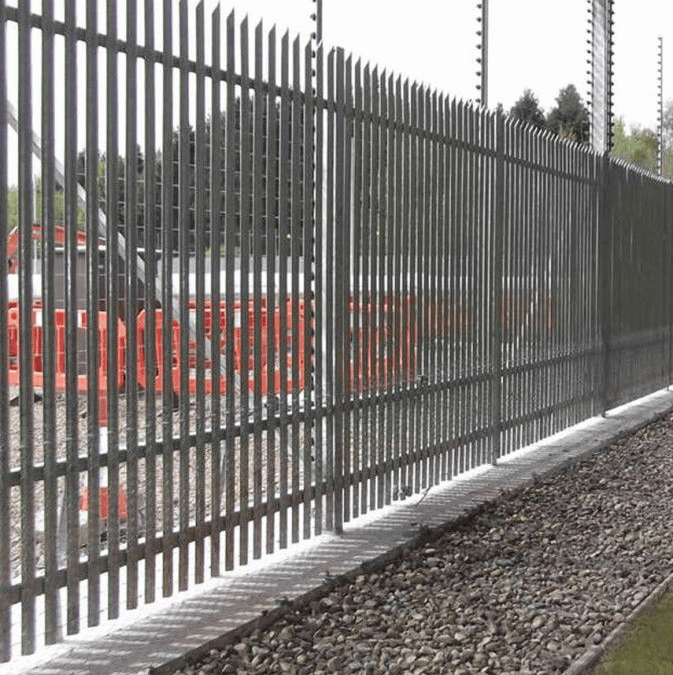
Are you considering a metal fence for your property but unsure where to start? You’re not alone. Thousands of homeowners choose metal fencing each year for its unbeatable combination of security, durability, and curb appeal. This guide walks you through everything you need to know—from choosing the right style to installation day and beyond.
Metal fences typically last 20–50 years with minimal maintenance, provide superior security compared to wood or vinyl, and come in styles ranging from elegant wrought iron to budget-friendly chain link. Installation costs average $15–$75 per linear foot depending on the type, with most residential projects taking 1–3 days to complete.
What Is a Metal Fence and Why Does It Matter?
A metal fence is any perimeter barrier made primarily from metallic materials such as steel, aluminum, or iron. Unlike wood fences that rot or vinyl fences that crack in extreme temperatures, metal fencing holds up against the elements year after year.
Metal fences serve three primary purposes:
- Security – They’re difficult to cut, climb, or break through
- Privacy – Certain styles block visibility completely
- Aesthetics – They add value and visual appeal to your property
From my experience working with homeowners on fence projects, the biggest regret people have is choosing a cheaper material that needs replacing within 10 years. Metal costs more upfront but almost always wins on lifetime value.
Why Should You Choose a Metal Fence for Your Home?
Durability That Outlasts Other Materials
Metal fences routinely last 30–50 years. Compare that to wood (10–15 years) or vinyl (20–30 years). A quality aluminum or steel fence installed today could still be standing when you sell your home decades from now.
Low Maintenance Requirements
Once installed, metal fences need very little attention:
- No annual staining or sealing
- No warping or rotting concerns
- Occasional washing with a garden hose
- Touch-up paint every few years (for painted styles)
Enhanced Home Security
Metal fencing is the go-to choice for homeowners prioritizing security. The material resists cutting tools, and taller designs with pointed pickets deter climbing.
Increased Property Value
Real estate data consistently shows that quality fencing adds 5–12% to a home’s perceived value. Metal fences, with their longevity and classic appearance, sit at the higher end of that range.
What Types of Metal Fences Are Available?
Not all metal fences are created equal. Here’s a breakdown of your main options:
Wrought Iron Fences
Wrought iron is the premium choice. It’s hand-forged, incredibly strong, and offers timeless elegance.
Best for: Historic homes, luxury properties, front yards Lifespan: 50+ years with proper maintenance Cost: $25–$75 per linear foot installed
Aluminum Fences
Aluminum offers wrought iron’s look without the weight or rust concerns. It’s the most popular residential metal fence choice today.
Best for: Pool areas, decorative boundaries, sloped terrain Lifespan: 30–50 years Cost: $20–$45 per linear foot installed
Steel Fences
Steel is the strongest option and works well for security-focused applications. Modern coatings prevent rust.
Best for: Security perimeters, commercial-style residential properties Lifespan: 25–40 years Cost: $20–$60 per linear foot installed
Chain Link Fences
Chain link remains the most affordable metal fence option. New vinyl-coated versions look much better than traditional galvanized steel.
Best for: Large properties, backyards, pet containment, budget projects Lifespan: 20–30 years Cost: $10–$25 per linear foot installed
Metal Fence Comparison at a Glance
| Fence Type | Cost per Linear Foot | Lifespan | Maintenance Level | Best Use Case |
| Wrought Iron | $25–$75 | 50+ years | Medium | Decorative, front yards |
| Aluminum | $20–$45 | 30–50 years | Low | Pools, general use |
| Steel | $20–$60 | 25–40 years | Medium | Security |
| Chain Link | $10–$25 | 20–30 years | Very Low | Budget, large areas |
How Much Does Metal Fence Installation Cost?
The total cost of your metal fence project depends on several factors:
Material Costs
- Chain link: $5–$15 per linear foot (materials only)
- Aluminum: $15–$30 per linear foot (materials only)
- Steel: $15–$40 per linear foot (materials only)
- Wrought iron: $20–$50 per linear foot (materials only)
Labor Costs
Professional installation typically adds $10–$25 per linear foot, depending on your location and terrain complexity.
Total Project Examples
For a typical 150-linear-foot backyard fence:
- Chain link: $1,500–$3,750
- Aluminum: $3,000–$6,750
- Steel: $3,000–$9,000
- Wrought iron: $3,750–$11,250
Hidden Costs to Budget For
Don’t forget these common add-ons:
- Permit fees ($50–$500 depending on your municipality)
- Old fence removal ($3–$5 per linear foot)
- Gate installation ($200–$2,000+ per gate)
- Slope or terrain adjustments ($5–$15 extra per linear foot)
- Decorative elements like finials or scrollwork ($100–$500+)
How Is a Metal Fence Installed? Step-by-Step Process
Whether you’re DIYing or hiring a pro, understanding the installation process helps you plan properly.
Step 1: Check Local Regulations
Before anything else, verify:
- Permit requirements in your area
- Property line boundaries (get a survey if uncertain)
- HOA restrictions on fence style, height, or color
- Utility line locations (call 811 for a free underground utility check)
Step 2: Plan Your Layout
Mark your fence line with stakes and string. Identify gate locations and measure carefully—twice. Account for gates, corners, and any terrain changes.
Step 3: Dig Post Holes
Post holes should be:
- Depth: One-third the length of the post, plus 6 inches for gravel
- Width: Three times the post diameter
- Spacing: 6–8 feet apart (varies by fence type)
This is the most labor-intensive part of installation. A power auger makes the job significantly easier.
Step 4: Set the Posts
Add 6 inches of gravel for drainage, insert posts, check for level and plumb, then fill with concrete. Allow 24–48 hours for the concrete to cure before proceeding.
Step 5: Attach Rails and Panels
Once posts are set:
- Install horizontal rails between posts
- Attach fence panels or pickets to rails
- Ensure consistent spacing and level alignment throughout
Step 6: Install Gates
Gates require extra attention:
- Use heavy-duty hinges rated for your gate’s weight
- Install on posts set slightly deeper for added stability
- Add latches, locks, or self-closing mechanisms as needed
Step 7: Finishing Touches
Complete your installation with:
- Post caps (prevent water intrusion)
- Touch-up paint on any scratches
- Ground-level inspection for gaps or weaknesses
When Should You Hire a Professional vs. DIY?
Consider DIY If:
- You’re installing a simple chain link fence
- Your property is flat with no obstacles
- You have experience with post-hole digging and concrete
- You own or can rent the necessary tools
- You’re working with a limited budget
Hire a Professional If:
- You’re installing wrought iron or decorative aluminum
- Your property has slopes, rocks, or tree roots
- You need the project completed quickly
- Permits and inspections seem overwhelming
- You want a warranty on the installation
Pro tip from experience: Even handy homeowners often underestimate the time and physical effort required. A professional crew can complete in one day what might take a DIYer an entire weekend.
How Do You Maintain a Metal Fence?
Metal fences are low-maintenance, not no-maintenance. Here’s how to keep yours looking great:
Monthly Tasks
- Walk the fence line to check for damage or loose components
- Clear debris, leaves, and vegetation from the base
Seasonal Tasks
- Wash with mild soap and water twice a year
- Inspect for rust spots (especially at ground level and joints)
- Lubricate gate hinges and latches
Annual Tasks
- Touch up paint chips or scratches immediately
- Tighten any loose screws or bolts
- Check post stability, especially after freeze-thaw cycles
Rust Prevention Tips
- Apply automotive wax to create a protective barrier
- Use rust-inhibiting spray on vulnerable areas
- Address scratches immediately before rust starts
Frequently Asked Questions About Metal Fences
How long does a metal fence last?
A well-maintained metal fence lasts 20–50+ years depending on the material. Aluminum and wrought iron have the longest lifespans, often exceeding 40 years. Chain link typically lasts 20–25 years, while galvanized steel falls somewhere in between.
Is a metal fence cheaper than wood?
Metal fences have higher upfront costs than wood, but they’re often cheaper over time. A wood fence might cost 30–40% less initially but needs replacement every 10–15 years. A metal fence installed once can last your entire time in the home.
Can I install a metal fence myself?
Yes, especially chain link or pre-fabricated aluminum panels. DIY installation saves $10–$25 per linear foot in labor costs. However, complex projects involving slopes, decorative ironwork, or large gates are better left to professionals.
Do metal fences rust?
Some do, some don’t. Aluminum never rusts. Galvanized steel and powder-coated metals resist rust well. Traditional wrought iron will rust without proper maintenance. Choosing rust-resistant finishes and addressing scratches promptly prevents most problems.
How tall should a residential metal fence be?
Most residential metal fences range from 4–6 feet. Front yard decorative fences are typically 3–4 feet. Backyard privacy and security fences run 5–6 feet. Check local codes—many municipalities cap fence height at 6 feet without a variance.
What’s the best metal fence for dogs?
For dog containment, consider aluminum or steel with closely spaced pickets (no more than 3 inches apart for small dogs). Avoid chain link if you have climbers. A fence height of at least 5 feet prevents most jumping. Add a dig guard or buried mesh if you have escape artists.
Do I need a permit to install a metal fence?
Most municipalities require permits for fences over 4 feet tall. Permit requirements vary widely—some areas require them for any fence, while rural properties may have no requirements. Always check with your local building department before starting.
How close to the property line can I install a fence?
This varies by jurisdiction. Most areas require fences to sit 2–8 inches inside your property line. Some neighborhoods allow fences directly on the line with neighbor agreement. Never assume—verify with your local building department and consider getting a survey.
Summary: Is a Metal Fence Right for Your Home?
Metal fencing offers unmatched durability, security, and long-term value for residential properties. While upfront costs exceed wood or vinyl, the 30–50 year lifespan and minimal maintenance make metal an excellent investment.
Key takeaways:
- Aluminum is the best all-around choice for most homeowners
- Budget $20–$50 per linear foot for quality installation
- Always check permits and property lines before starting
- Professional installation is worth it for complex projects
- Simple maintenance keeps your fence looking great for decades
Ready to move forward with your metal fence project? Start by measuring your property line, researching local permit requirements, and getting quotes from at least three local contractors. A little planning now ensures you’ll enjoy your new fence for years to come.
This guide reflects practical experience from residential fencing projects and current industry best practices. Material costs and regulations vary by region—always verify with local suppliers and building departments for your specific situation.