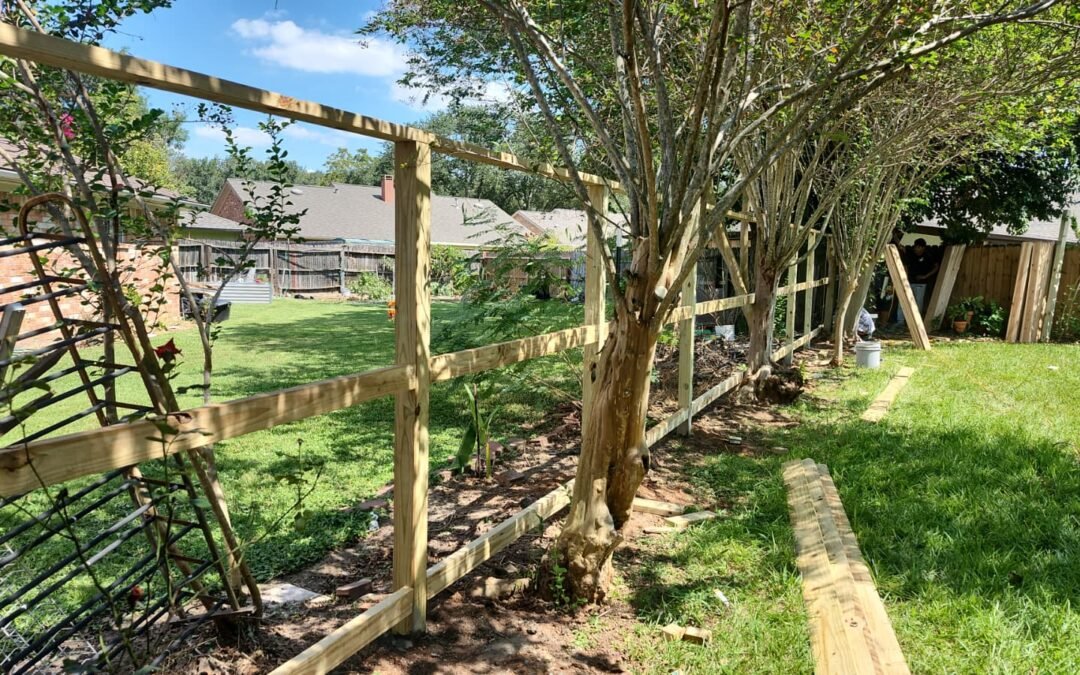
Choosing the perfect fences for your home requires balancing several key factors: privacy, security, aesthetic appeal, and budget. Whether you’re considering wood fences for a classic look or other options, making an informed decision ensures your investment meets both functional and design goals.
Key Factors to Consider When Choosing a Fence
Selecting the right fence involves evaluating multiple aspects of your property and lifestyle:
1. Purpose of the Fence
Understanding why you need a fence is the first step:
- Privacy: Tall wood fences or vinyl options provide seclusion from neighbors.
- Security: Strong, durable fences protect against intruders and keep children or pets safe.
- Aesthetics: Decorative fencing enhances curb appeal and complements landscaping.
- Boundary Definition: Clearly marks property lines without compromising style.
2. Material Options
The material you choose affects durability, maintenance, and cost:
- Wood Fences: Traditional, natural look; customizable height and style; requires regular staining or sealing.
- Vinyl Fences: Low-maintenance, weather-resistant; limited color options but long-lasting.
- Metal Fences (Aluminum or Wrought Iron): Durable and secure; adds elegance but higher cost.
- Composite Fences: Combines wood aesthetics with low maintenance; ideal for high-traffic areas.
3. Fence Height and Design
- Privacy: Taller fences (6–8 feet) block views and noise.
- Security: Sturdy posts and close-set panels deter trespassers.
- Curb Appeal: Decorative elements, lattice work, and painted finishes enhance visual appeal.
- Style Match: Match the fence design with your home architecture for a cohesive look.
4. Budget Considerations
Fence costs vary based on material, size, and complexity:
- Wood Fences: $15–$45 per linear foot depending on wood type.
- Vinyl Fences: $20–$40 per linear foot.
- Metal Fences: $25–$75 per linear foot.
- Labor and Installation: Professional services may increase upfront costs but ensure durability.
Popular Fence Styles and Their Uses
1. Privacy Fences
- Materials: Wood, vinyl, or composite.
- Features: Solid panels that block sightlines and noise.
- Best For: Backyards, patios, and properties close to neighbors.
2. Picket Fences
- Materials: Wood or vinyl.
- Features: Classic look with spaced vertical boards; decorative caps optional.
- Best For: Front yards, garden borders, and enhancing curb appeal.
3. Decorative Metal Fences
- Materials: Wrought iron or aluminum.
- Features: Stylish designs, often with ornamental details.
- Best For: Security without blocking views, enhancing property elegance.
4. Semi-Privacy Fences
- Materials: Wood or vinyl with lattice or partial panels.
- Features: Combines privacy with openness, allowing airflow and light.
- Best For: Patios, pool areas, or gardens where full enclosure isn’t needed.
5. Custom Wood Fences
- Materials: High-quality cedar, redwood, or treated pine.
- Features: Tailored height, pattern, and design to fit specific landscape needs.
- Best For: Unique yards, complex layouts, or homeowners seeking personalized aesthetics.
Additional Considerations for Choosing a Fence
1. Maintenance Requirements
- Wood Fences: Require staining or sealing every 2–3 years.
- Vinyl Fences: Low maintenance; occasional washing to remove dirt.
- Metal Fences: Inspect for rust; apply protective coatings as needed.
2. Local Regulations and Permits
Some municipalities have restrictions on fence height, style, and placement. Always check local guidelines before installation to avoid fines.
3. Climate and Durability
- Wood Fences: Choose weather-resistant species like cedar or redwood.
- Metal Fences: Ensure coatings withstand humidity or coastal conditions.
- Vinyl/Composite Fences: Ideal for areas with extreme weather fluctuations.
4. Professional Installation
Hiring professionals like AYMS Fence ensures:
- Accurate measurements and alignment
- Secure post installation for longevity
- Compliance with local building codes
- High-quality finishes and aesthetics
Steps to Choose the Right Fence
- Assess Your Needs: Decide if privacy, security, or aesthetics is the top priority.
- Set a Budget: Determine how much you are willing to invest upfront and for long-term maintenance.
- Select Material: Evaluate durability, maintenance, and visual appeal.
- Choose Style: Match the fence to your home’s architecture and landscape design.
- Consult Professionals: Services like AYMS Fence provide guidance, installation, and maintenance tips.
Conclusion
Choosing the right fences involves balancing multiple factors—privacy, security, aesthetics, and budget. From classic wood fences to modern vinyl and elegant metal options, the possibilities are vast. Considering height, style, material, and local regulations ensures you make a smart investment that enhances your property.