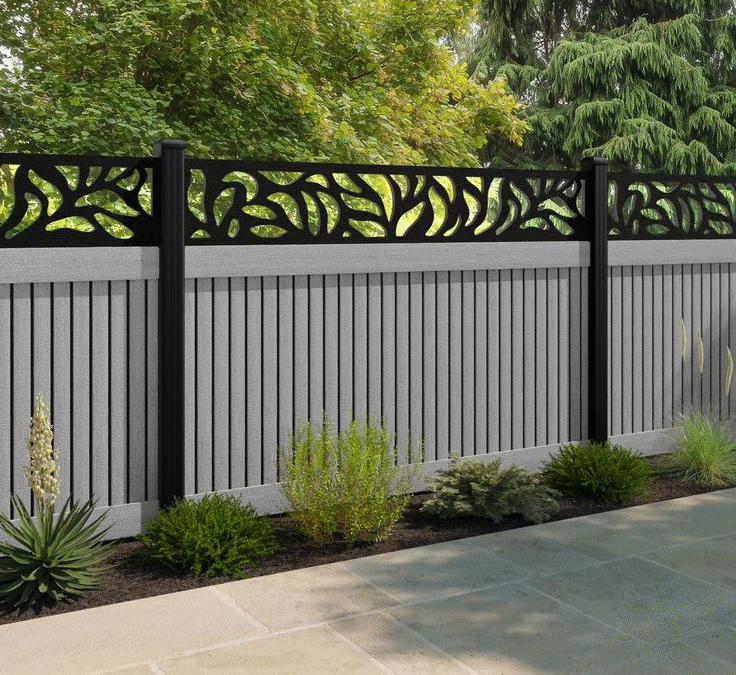
Wood fences are a popular choice for homeowners and businesses due to their natural aesthetic, versatility, and privacy benefits. However, one common question that arises when considering wood fences is: How long do wood fences last? The lifespan of a wood fence depends on various factors, but with proper care, you can expect your wood fence to last anywhere from 10 to 30 years.
The lifespan of a wood fence can vary greatly depending on several factors. While some wood fences may last for decades, others may require replacement sooner. Let’s look at the key elements that affect the longevity of wood fences:
1. Wood Type
The type of wood used in your fence plays a significant role in its durability. Some types of wood are naturally more resistant to decay, pests, and weathering than others. Common types of wood used for fences include:
- Cedar: Known for its natural resistance to rot and insects, cedar is a popular choice for wood fences. Cedar fences can last between 20 to 30 years with proper maintenance.
- Redwood: Similar to cedar, redwood is resistant to decay and insects, making it an excellent choice for wood fences. A redwood fence can last between 20 to 30 years.
- Pressure-Treated Pine: This is one of the most affordable options for wood fences. While pressure-treated pine is chemically treated to resist rot, it typically lasts 10 to 15 years, depending on environmental conditions.
- Spruce and Fir: These softwoods are less durable than cedar or redwood, but they can last 5 to 10 years, especially when treated.
2. Climate and Weather Conditions
The climate in your area plays a major role in the lifespan of your wood fence. In regions with harsh winters, high humidity, or intense sun exposure, wood fences are more likely to age faster. The main weather-related factors include:
- Moisture: Wood is highly susceptible to water damage, especially if it’s exposed to frequent rain or snow. Wet conditions encourage rot and mold, leading to a shorter lifespan.
- Temperature Fluctuations: Extreme temperature swings can cause wood to expand and contract, which can lead to cracking and splitting.
- Sun Exposure: Prolonged exposure to direct sunlight can cause wood to dry out and become brittle, which accelerates its deterioration.
3. Installation Quality
Proper installation of a wood fence is crucial for its longevity. A fence that is not installed correctly can suffer from instability, leaning, and premature wear. Key installation factors include:
- Depth of Posts: Fence posts should be buried deep enough to withstand pressure and shifting over time.
- Spacing: Proper spacing between fence posts ensures that the fence maintains its strength and doesn’t sag prematurely.
- Post Material: Using quality posts, such as concrete or treated wood, helps avoid rotting at ground level.
4. Maintenance and Care
Regular maintenance is essential for extending the lifespan of a wood fence. A well-maintained wood fence can last longer and continue to provide the privacy and security you need. Some maintenance tips include:
- Sealing and Staining: Applying a protective sealant or stain helps prevent moisture from penetrating the wood, reduces UV damage, and keeps the fence looking fresh.
- Cleaning: Periodic cleaning removes dirt, mold, and mildew, which can accelerate deterioration. A simple power wash or scrub with soap and water is usually enough.
- Repairs: Fixing small problems early, such as a loose panel or a damaged board, prevents larger, more expensive issues down the line.
5. Pest Infestation
Wood is a natural material that can attract pests, including termites, carpenter ants, and beetles. These pests can quickly damage your wood fence, causing it to weaken and rot. Regularly inspecting your fence for signs of infestation and treating it with pest-repelling treatments can help extend its lifespan.
How Can You Extend the Life of Your Wood Fence?
Now that we know the factors that impact the lifespan of a wood fence, here are some practical tips on how to extend its life and keep it in good condition for as long as possible:
- Apply a Protective Coating: As mentioned earlier, applying a water-resistant sealant or wood stain helps protect the fence from moisture, UV rays, and pests.
- Maintain Proper Drainage: Ensure that water doesn’t pool around the base of your fence posts. Installing a drainage system or using gravel around the posts can prevent water-related issues.
- Trim Vegetation: Keep plants and vines away from the fence, as they can trap moisture and cause the wood to rot faster.
- Inspect Regularly: Check your wood fence for signs of damage, such as loose boards, rot, or pest activity. Early detection of problems can help you address issues before they cause significant damage.
When Should You Replace Your Wood Fence?
While regular maintenance can significantly extend the life of your wood fence, there will come a time when it needs to be replaced. Here are some signs that it may be time to invest in a new wood fence:
- Warping or Bowing: If your fence boards are warping, bowing, or leaning, it may be a sign that they have reached the end of their useful life.
- Rotting: If large portions of your fence are rotting, especially at the base, it may no longer be structurally sound.
- Pest Damage: If pests have extensively damaged your fence and repairs are no longer effective, a replacement may be necessary.
- Aesthetic Decline: If your fence is looking worn, faded, or uneven, it may be time for an upgrade, especially if it’s impacting your home’s curb appeal.
FAQ: Frequently Asked Questions About Wood Fences
1. How long do wood fences last without maintenance?
Without regular maintenance, a wood fence can last anywhere from 5 to 10 years. However, with routine care, such as sealing, staining, and inspections, it can last up to 30 years.
2. What is the best wood for a fence?
Cedar and redwood are considered the best woods for fences because they are naturally resistant to rot, insects, and weathering. Pressure-treated pine is also a good option but may not last as long as cedar or redwood.
3. How often should I stain or seal my wood fence?
It’s recommended to stain or seal your wood fence every 2 to 3 years to protect it from moisture and UV damage. However, the frequency may vary depending on weather conditions.
4. Can I repair a rotting wood fence?
Yes, if only a few sections of the fence are rotting, they can often be replaced. However, if the damage is widespread, a full replacement may be necessary.
5. How do I protect my wood fence from termites?
To protect your wood fence from termites, consider using pressure-treated wood or applying termite-resistant treatments. Regular inspections and early treatment can prevent infestations from damaging your fence.
6. Should I install a wood fence myself or hire a professional?
While installing a wood fence can be a DIY project, it’s often best to hire a professional to ensure the fence is installed correctly. Proper installation can significantly impact the lifespan of your fence.
Conclusion
In conclusion, the lifespan of a wood fence depends on several factors, including the type of wood, climate, maintenance, and installation quality. With proper care, a wood fence can last for decades, providing both functionality and beauty to your property. Whether you’re building a new fence or maintaining an existing one, regular upkeep is key to maximizing its lifespan. If you’re unsure about how to care for your wood fence, it’s always a good idea to consult with a professional for guidance and advice.