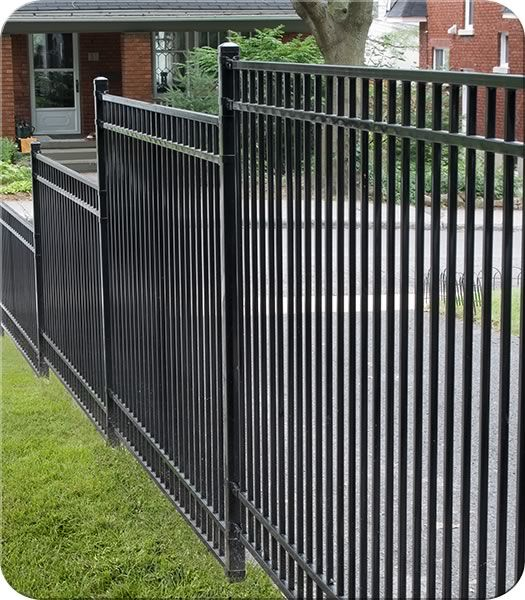
A damaged fence is more than an eyesore. It affects security, safety, and property value. Whether your fence is leaning, broken, or rotting, timely fence repair can prevent small problems from becoming expensive replacements. This guide explains how to identify damage, fix common issues, and decide when professional help is needed.
Fence repair starts by identifying the type and extent of damage. Minor issues like loose boards or rusted fasteners can be fixed with basic tools, while structural problems such as leaning posts often need deeper repairs. Acting early saves money, improves safety, and extends fence life.
What Are the Most Common Types of Fence Damage?
Fence damage usually happens slowly, but the signs are easy to miss.
Common fence problems include:
- Loose or broken fence panels
- Leaning or sinking fence posts
- Rotting wood at the base
- Rusted metal sections
- Cracked concrete footings
- Warped or split boards
- Fence gates not closing properly
First-hand insight:
From real repair jobs, the most frequent issue is post movement caused by water-soaked soil. Many homeowners replace panels without fixing the post, which leads to repeat failure.
Why Do Fences Get Damaged Over Time?
Fence damage is rarely random. It usually comes from repeated stress.
Main causes of fence damage:
- Weather exposure (rain, heat, frost)
- Poor installation depth
- Low-quality materials
- Ground movement
- Termites or wood rot
- Accidental impact (vehicles, storms, falling trees)
Real-world example:
A wooden fence may look fine above ground, but rot often starts below soil level. By the time boards fall, the post is already compromised.
How Do You Inspect a Fence for Repair Needs?
Inspection should be done before starting any fence repair work.
Step-by-step inspection checklist:
- Walk the full fence line slowly
- Push each post gently to check movement
- Look for dark or soft wood near ground level
- Check screws, nails, and brackets
- Inspect hinges and gate alignment
- Look for rust bubbles on metal fences
Pro tip:
Inspect after heavy rain. Water exposes weak points faster than dry conditions.
How Do You Repair a Wooden Fence?
Wood fences are common and usually repairable if damage is caught early.
How to fix loose or broken fence boards:
- Remove damaged boards
- Measure and cut replacements
- Use exterior-grade screws
- Leave small gaps for expansion
How to repair a rotting fence post:
- Dig around the post base
- Cut off the rotted section
- Install a post repair sleeve or concrete spur
- Refill with concrete or compacted gravel
Experience-based advice:
If rot extends more than one-third of the post height, replacement is safer than repair.
How Do You Repair a Leaning Fence?
A leaning fence almost always means a post problem.
How to straighten a leaning fence:
- Remove soil around the post
- Pull the fence upright using a brace
- Add fresh concrete or gravel
- Allow proper curing time
When a leaning fence cannot be fixed:
- Post is fully rotted
- Concrete footing is shattered
- Fence line has shifted unevenly
In these cases, replacing the post is the correct solution.
How Do You Repair a Metal or Chain Link Fence?
Metal fences are durable but still need maintenance.
Common metal fence issues:
- Rusted sections
- Bent rails
- Loose chain link fabric
How to repair rusted metal fencing:
- Wire-brush rusted areas
- Apply rust-inhibiting primer
- Paint with exterior metal paint
How to fix chain link fence damage:
- Tighten loose tension bands
- Replace bent rails
- Patch small fabric holes with repair ties
First-hand note:
Ignoring rust allows it to spread under paint, leading to full panel failure.
How Much Does Fence Repair Usually Cost?
Fence repair costs depend on damage type and material.
Typical fence repair cost ranges:
| Repair Type | Estimated Cost Range |
| Loose boards | Low |
| Post repair | Medium |
| Post replacement | Medium to high |
| Metal rust repair | Medium |
| Gate alignment | Low to medium |
Cost-saving tip:
Repairing one post early is far cheaper than replacing an entire fence section later.
When Should You Repair vs Replace a Fence?
Knowing when repairs are enough saves time and money.
Repair the fence if:
- Damage is isolated
- Posts are mostly stable
- Fence is under 15 years old
Replace the fence if:
- Multiple posts are failing
- Wood rot is widespread
- Fence leans in several areas
- Repairs are repeated every year
Professional insight:
If repair costs exceed half the price of replacement, replacement usually makes more sense.
How Long Does Fence Repair Take?
Fence repair timelines vary by issue.
Average repair times:
- Loose boards: 30 to 60 minutes
- Post repair: 2 to 4 hours
- Post replacement: 4 to 6 hours
- Gate repair: 1 to 2 hours
Drying and curing time for concrete may add extra waiting hours.
What Tools Are Needed for Fence Repair?
Most fence repair jobs use basic tools.
Common fence repair tools:
- Shovel or post-hole digger
- Level
- Drill and screws
- Hammer
- Saw
- Concrete mix
- Safety gloves
Having tools ready before starting avoids rushed mistakes.
How Can You Prevent Future Fence Damage?
Prevention is part of smart fence repair planning.
Fence maintenance tips:
- Seal or stain wood fences every 2 to 3 years
- Keep soil away from wooden post bases
- Tighten fasteners annually
- Clear vegetation touching the fence
- Inspect after storms
Experience-based reminder:
Most fence failures happen at ground contact points. Keeping posts dry extends life significantly.
Fence Repair FAQs
What is the easiest fence repair to do yourself?
Replacing loose boards or tightening fasteners is usually the simplest fence repair for beginners.
Can a leaning fence be fixed without replacing posts?
Yes, if the post is not rotted or broken and the footing can be reinforced.
How long does a repaired fence last?
A properly repaired fence can last many years if maintenance is done regularly.
Is fence repair cheaper than replacement?
In most cases, yes. Small repairs cost much less than full fence replacement.
Can fence repair be done in winter?
Minor repairs can be done, but concrete work is best in mild temperatures.
How do I know if my fence post is rotted?
Soft wood, dark discoloration, and movement at the base are clear signs.
Summary
Fence repair is about early action, proper inspection, and using the right method for the problem. Small fixes prevent major costs, improve safety, and extend fence life. Whether repairing a single board or stabilizing posts, thoughtful repair keeps your fence working as it should.