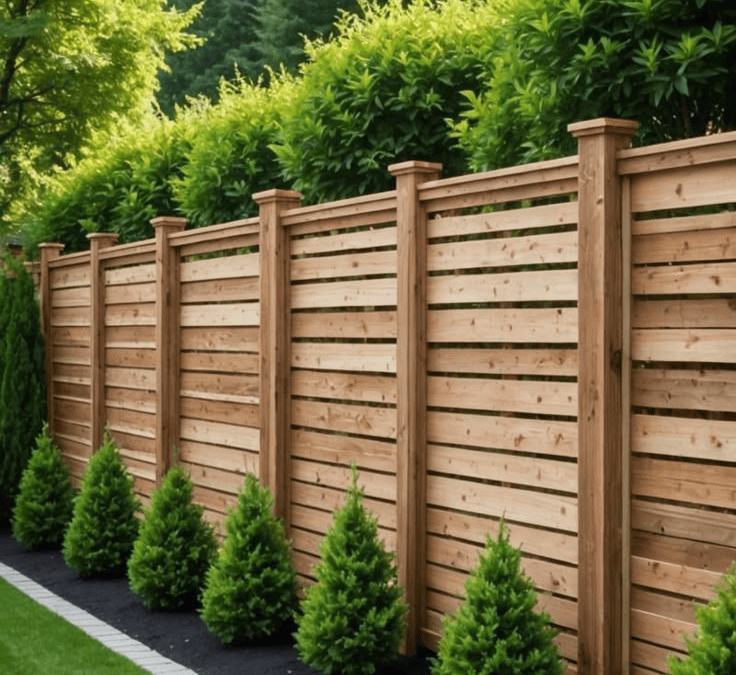
Installing a fence may look easy from the outside, but small mistakes can lead to big problems later. From leaning posts to neighbour disputes, most issues come from poor planning and rushed decisions. This guide breaks down the most common fence installation mistakes and shows you how to avoid them with clear, real-world advice.
The most common fence installation mistakes include not checking property lines, setting posts too shallow, using the wrong materials, ignoring local rules, and poor spacing between posts. These errors often cause leaning fences, early damage, legal issues, and costly repairs that could have been avoided with proper planning.
Why Do Fence Installation Mistakes Happen So Often?
Fence problems usually start before the first hole is dug.
From my experience working with homeowners and small contractors, most mistakes happen because people:
- Rush the planning stage
- Copy a neighbour’s fence without checking conditions
- Underestimate soil, weather, or slope issues
- Try to save money in the wrong places
A fence is a long-term structure. If it is done wrong, it will show problems within months.
What Happens When Fence Installation Goes Wrong?
A poorly installed fence can lead to:
- Posts leaning or sinking
- Panels warping or breaking
- Gates not closing properly
- Disputes with neighbours
- Fines from local authorities
- Paying twice for the same job
Fixing a bad fence often costs more than installing it correctly the first time.
What Are the Most Common Fence Installation Mistakes to Avoid?
Below are the mistakes I see again and again on real job sites.
What Happens If You Do Not Check Property Lines?
The mistake
Installing a fence without confirming property boundaries.
Why this is a problem
You may accidentally build on your neighbour’s land.
Real-world example
I have seen fences torn down completely because they crossed a boundary by just a few inches.
How to avoid it
- Check your property survey
- Look for boundary markers
- Speak to your neighbour before starting
This one step can save legal trouble and wasted money.
Why Is Ignoring Local Rules a Serious Fence Installation Mistake?
The mistake
Not checking local fence rules or permits.
Why this matters
Many areas control:
- Fence height
- Fence placement
- Fence materials
- Fence style near roads or corners
What can happen
- Fines
- Forced removal
- Delays in selling your property
How to avoid it
- Contact your local council or municipality
- Ask about permits and height limits
- Check homeowner association rules if applicable
How Does Poor Planning Affect Fence Installation?
The mistake
Starting work without a clear layout or plan.
Signs of poor planning
- Uneven fence lines
- Awkward gate placement
- Gaps at the bottom or top
How to plan properly
- Measure the full fence line
- Mark post locations
- Plan gate positions early
- Account for slopes and curves
A simple sketch and measurements can prevent many problems.
Why Is Incorrect Post Depth One of the Biggest Fence Installation Errors?
The mistake
Digging post holes that are too shallow.
Why this causes failure
Shallow posts:
- Lean over time
- Move in wind
- Shift during rain or frost
General rule
Posts should go at least one-third of their total height into the ground.
How to do it right
- Dig deeper in loose or sandy soil
- Add gravel at the bottom for drainage
- Use concrete where needed
Most fence failures start at the posts.
What Happens When You Use the Wrong Fence Materials?
The mistake
Choosing materials based only on price or looks.
Common issues
- Untreated wood rotting early
- Thin metal bending
- Low-grade vinyl cracking
How to choose better
- Match materials to climate
- Use treated wood for ground contact
- Choose rust-resistant fasteners
Saving money upfront often leads to higher costs later.
Why Is Poor Post Spacing a Fence Installation Problem?
The mistake
Placing posts too far apart.
What goes wrong
- Panels sag
- Rails bend
- Fence looks uneven
Best practice
- Follow manufacturer spacing guidelines
- Adjust spacing for heavier panels
- Reduce spacing in windy areas
Proper spacing keeps the fence strong and straight.
How Does Ignoring Soil Conditions Cause Fence Failure?
The mistake
Using the same installation method for all soil types.
Soil differences matter
- Clay holds water
- Sand shifts easily
- Rocky soil affects stability
How to adapt
- Improve drainage in clay soil
- Dig deeper in sandy soil
- Secure posts carefully in rocky ground
Soil is one of the most overlooked parts of fence installation.
Why Is Skipping Drainage a Costly Fence Installation Error?
The mistake
Setting posts in concrete without drainage.
What happens
- Water collects around posts
- Wood rots faster
- Concrete cracks
How to fix this
- Add gravel under posts
- Slope concrete away from posts
- Avoid trapping water
Good drainage extends fence life significantly.
What Problems Come From Rushing Fence Installation?
The mistake
Trying to finish too quickly.
Common rushed errors
- Crooked posts
- Misaligned panels
- Loose fasteners
Better approach
- Let concrete cure fully
- Check alignment often
- Work in stages
Fence installation rewards patience.
Why Is Poor Gate Installation a Common Fence Mistake?
The mistake
Treating the gate like a normal panel.
What goes wrong
- Gates sag
- Latches fail
- Gates drag on the ground
How to avoid it
- Use stronger posts for gates
- Install proper hinges
- Allow extra clearance
Gates are the most used part of any fence.
How Does Fence Installation Change on Sloped Ground?
The mistake
Installing fences on slopes without adjustment.
Problems you will see
- Large gaps at the bottom
- Uneven top lines
Better options
- Step fencing
- Racked panels
- Custom cuts
Slope handling separates good installations from bad ones.
What Are the Most Overlooked Fence Installation Details?
From experience, these details are often missed:
- Using the wrong screws or nails
- Not sealing cut wood ends
- Skipping level checks
- Forgetting wind exposure
Small details make a big difference over time.
How Can Beginners Avoid Fence Installation Mistakes?
If you are new to fence installation:
- Do more measuring than digging
- Watch how professionals handle posts
- Ask questions at supply stores
- Do not rush
Taking extra time at the start saves effort later.
Fence Installation Mistakes vs Correct Practices (Quick Table)
| Common Mistake | Correct Practice |
| Guessing property lines | Confirm boundaries |
| Shallow post holes | Proper depth with drainage |
| Cheap materials | Climate-appropriate materials |
| Rushed work | Step-by-step installation |
| Ignoring rules | Check local requirements |
Frequently Asked Questions About Fence Installation Mistakes
What is the biggest fence installation mistake beginners make?
Not setting posts deep enough. This leads to leaning and early failure.
How long should fence posts last if installed correctly?
A well-installed fence post can last 15 to 25 years, depending on material and climate.
Is concrete always required for fence posts?
No. Some soil types work well with gravel, but concrete is often safer for stability.
Can fence installation mistakes be fixed later?
Some can, but many require removing sections of the fence, which increases cost.
Why does my fence lean after a few months?
Usually due to shallow posts, poor soil preparation, or lack of drainage.
Should I install a fence myself or hire help?
Simple fences can be DIY, but complex layouts, slopes, or gates often need experience.
What Can Business Owners Learn From Fence Installation Mistakes?
For contractors and business owners:
- Mistakes damage reputation
- Callbacks reduce profit
- Clear planning improves efficiency
- Quality work leads to referrals
Avoiding mistakes is also good business practice.
Final Summary: How to Avoid Fence Installation Problems
Most fence installation problems come from poor planning, weak post foundations, and ignoring local conditions. By checking boundaries, choosing the right materials, preparing soil properly, and taking your time, you can build a fence that stays straight, strong, and trouble-free for years.