Your fence is leaning, a few boards are rotted, and you’re wondering whether you need to tear the whole thing down or if a simple fix will do. It’s a question homeowners face all the time—and the good news is that full replacement isn’t always necessary.
Yes, most fences can be repaired instead of replaced. If the damage affects less than 20-30% of your fence and the posts remain structurally sound, repair is typically the smarter, more cost-effective choice. Common issues like broken pickets, loose boards, minor rot, and leaning sections can all be fixed without tearing down your entire fence. However, widespread rot, termite damage, or failing posts throughout the structure usually warrant full replacement.
What Types of Fence Damage Can Be Repaired?
Not all fence damage requires a complete overhaul. Here are the most common issues that respond well to repair:
Structural Problems You Can Fix
- Broken or missing pickets – Individual boards are easy and inexpensive to replace
- Loose boards – Often just need new screws or nails
- Leaning fence sections – Usually caused by failing posts that can be reinforced or replaced individually
- Minor rot – Small rotted areas can be cut out and patched
- Sagging gates – Typically fixed with new hinges, bracing, or post adjustment
- Faded or peeling finish – Sanding and resealing restores appearance
Materials Matter: Repair Options by Fence Type
| Fence Type | Common Repairs | Average Repair Success |
| Wood | Board replacement, post repair, staining | High |
| Vinyl | Panel replacement, post caps | High |
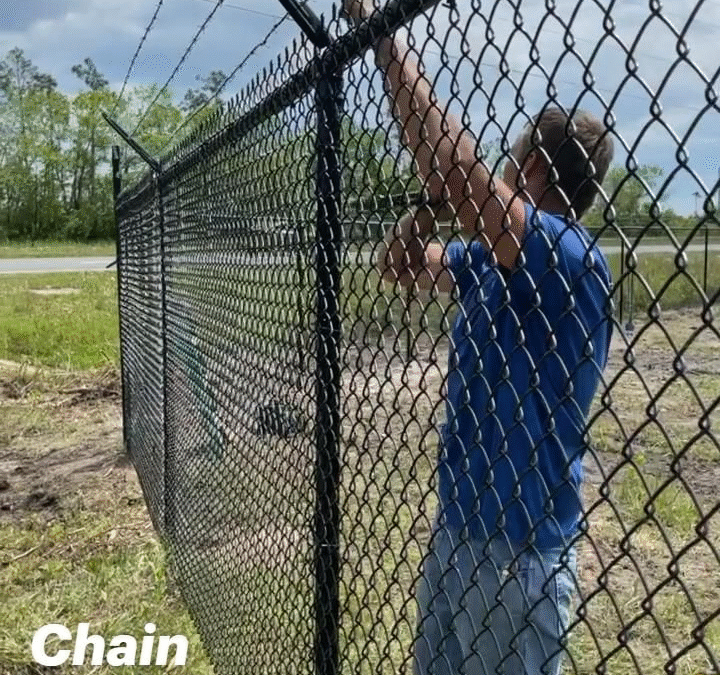
| Chain Link | Fabric patching, rail repair | Very High |
| Metal/Wrought Iron | Rust treatment, welding | Moderate to High |
| Composite | Panel swaps, hardware fixes | High |
From my experience helping homeowners assess their fencing options, wood fences offer the most flexibility for repairs because individual components are readily available at any hardware store.
When Is Fence Repair the Right Choice?
Choosing between repair and replacement comes down to a few key factors. Ask yourself these questions:
How Old Is Your Fence?
A fence that’s less than 10-15 years old with isolated damage is almost always worth repairing. Wood fences typically last 15-20 years with proper maintenance, while vinyl can last 20-30 years. If your fence is relatively young and the damage is localized, repair makes sense.
How Extensive Is the Damage?
Here’s a simple rule of thumb I recommend to homeowners:
- Under 20% damaged → Repair is the clear winner
- 20-30% damaged → Repair is likely still cost-effective
- Over 30% damaged → Get quotes for both options and compare
Are the Posts Still Solid?
This is the most critical factor. Fence posts are the foundation of your entire structure. If most posts are solid and only one or two have failed, you can replace just those posts. If multiple posts are rotting at ground level or leaning badly, you’re looking at a bigger project.
Pro tip: Test wooden posts by pushing against them firmly and probing the base with a screwdriver. Soft, crumbly wood indicates rot that extends below the surface.
How Much Does Fence Repair Cost Compared to Replacement?
Understanding the cost difference helps you make an informed decision. Here’s what you can typically expect:
Average Fence Repair Costs
| Repair Type | DIY Cost | Professional Cost |
| Replace 1-3 pickets | $10-30 | $75-150 |
| Fix leaning section | $20-50 | $150-300 |
| Replace single post | $30-75 | $150-400 |
| Gate repair | $25-100 | $100-350 |
| Staining/sealing | $50-150 | $300-800 |
Replacement Cost Comparison
Full fence replacement typically runs $15-35 per linear foot installed. For a standard 150-foot residential fence, that’s $2,250-$5,250 or more depending on materials.
When you compare those numbers, repairing a few problem areas at $200-500 total makes financial sense—as long as you won’t face the same repairs again in a year.
What Are the Signs You Need Full Fence Replacement?
Sometimes repair isn’t practical. Watch for these warning signs that indicate replacement is your better option:
Red Flags That Mean It’s Time for a New Fence
- Multiple posts are rotting or leaning – When the foundation fails throughout, patches won’t last
- Widespread termite or insect damage – Once pests have infested the structure extensively, they’ll continue causing problems
- Severe storm damage affecting most of the fence – Major weather events can compromise structural integrity
- The fence is over 20 years old with recurring issues – Constant repairs become more expensive than replacement over time
- You’re already replacing more than 30-40% – At this point, a new fence offers better value and a uniform appearance
The “Grandfather’s Axe” Problem
I often see homeowners fall into what I call the grandfather’s axe trap—they’ve replaced so many individual pieces over the years that almost nothing original remains, yet they’ve spent more in total repairs than a replacement would have cost. Track your repair expenses to avoid this.
How Do You Repair Common Fence Problems?
For handy homeowners, many fence repairs are manageable weekend projects.
Replacing Damaged Fence Boards
- Remove the damaged board by backing out screws or prying off nails
- Measure the opening and cut your replacement board to fit
- Position the new board and secure with galvanized screws
- Stain or paint to match existing boards
Fixing a Leaning Fence Post
You have two main options:
Option 1: Add a support post
- Install a new post directly beside the leaning one
- Attach the fence rails to the new post
- Remove or cut off the old post
Option 2: Use a post mender
- Dig around the leaning post
- Install a steel post mender or concrete footer
- Reset the post plumb and allow to cure
Treating Minor Wood Rot
- Remove soft, rotted wood with a chisel
- Apply wood hardener to remaining wood
- Fill gaps with exterior wood filler
- Sand smooth and apply weatherproof sealant
Why Choose Professional Fence Repair?
While DIY repairs work for minor issues, professional help makes sense when:
- The repair involves post replacement in concrete
- You’re dealing with metal fencing that requires welding
- The fence is on a property line and needs precise placement
- You lack the tools or time for the project
- Building codes or HOA rules require permitted work
Professional fence contractors also spot problems you might miss, potentially saving you from more expensive repairs later.
Frequently Asked Questions About Fence Repair
How do I know if my fence post needs replacing?
Check for rot by probing the post at ground level with a screwdriver. If the wood feels soft and crumbles easily, the post needs replacement. Also watch for posts that lean more than a few inches off plumb or wobble when pushed—these indicate failure at or below ground level.
Can I repair a fence that’s leaning badly?
Yes, in most cases. A leaning fence usually results from one or more failed posts. You can either replace the damaged posts, add support posts alongside them, or use metal post menders to stabilize the structure. If multiple posts have failed across a long section, replacement might prove more practical.
Is it cheaper to repair or replace a wood fence?
Repair is almost always cheaper for isolated damage. Fixing a few boards or one post typically costs $100-400, while replacing a full fence runs into thousands. However, if you’re facing repairs on more than 30% of the fence, the cost difference narrows and replacement may offer better long-term value.
How long will a fence repair last?
A properly done repair should last as long as the original fence material—often 10-15 years or more for wood repairs, and longer for vinyl or metal. Using quality materials, treating wood against moisture, and maintaining your fence extends the life of any repair.
Can I mix old and new fence boards?
Absolutely. New boards will initially look different from weathered ones, but you can speed up the blending process by staining or painting the entire fence. Alternatively, new wood typically weathers to match within 6-12 months if left natural.
Should I repair my fence before selling my house?
Generally, yes. A well-maintained fence improves curb appeal and removes a potential negotiation point for buyers. Minor repairs are inexpensive and can help your property show better. If the fence is severely damaged, get quotes for both repair and replacement to determine which offers better return on investment.
What’s the best time of year for fence repair?
Late spring through early fall offers ideal conditions for most fence repairs. Avoid extremely hot days for staining or sealing, and don’t attempt repairs when the ground is frozen. Dry weather with moderate temperatures gives the best results for both the repair work and any finishes you apply.
Summary: Making the Right Choice for Your Fence
Most fence damage can be repaired rather than replaced—saving you significant money and hassle. Focus on assessing your posts first since they’re the foundation of the entire structure. When damage affects less than 20-30% of your fence and the posts remain sound, repair is typically your best bet.
For minor issues like broken pickets or loose boards, a weekend DIY project often solves the problem. For more significant repairs involving posts or structural concerns, getting a professional assessment ensures you make the right call.
Have questions about a specific fence repair situation? A local fencing professional can provide a free assessment and help you understand your options before you commit to either path.