
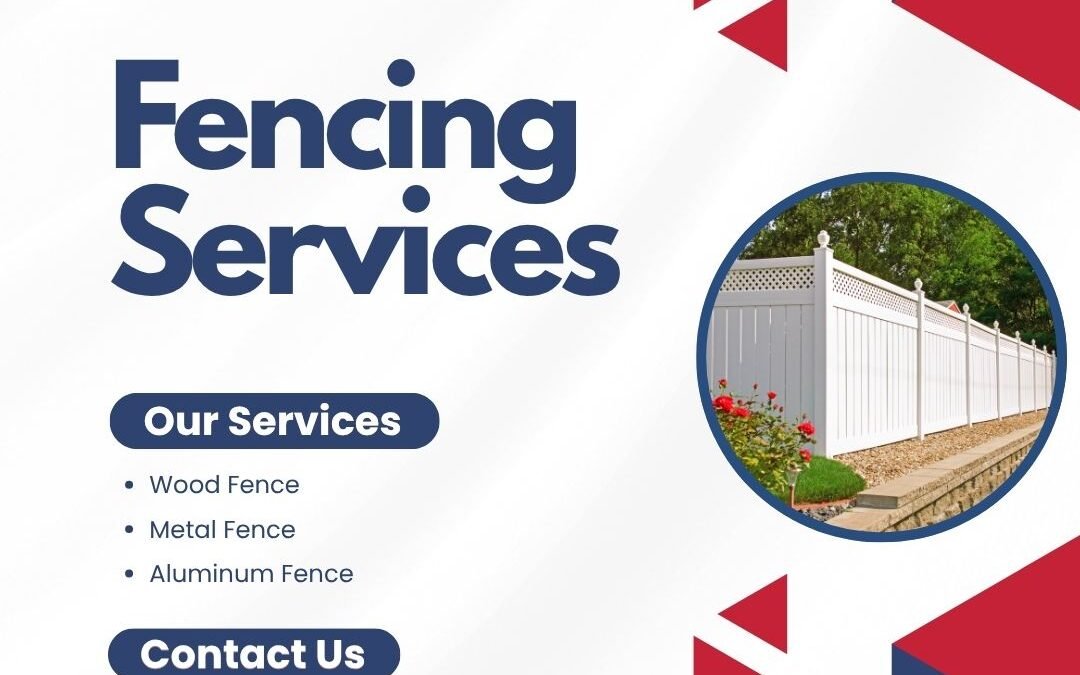
If you are planning to build or upgrade a fence, choosing the right fence pickets is one of the most important decisions you will make. The right picket affects your fence’s appearance, durability, maintenance needs, and overall cost. This guide walks you through everything you need to know, from materials and styles to a step-by-step installation process.
Fence pickets are the vertical boards or rails that form the visible face of a fence. They are attached to horizontal rails supported by fence posts. Whether you want privacy, decoration, or boundary marking, fence pickets determine how your fence looks and performs. Choosing the wrong type can cost you time and money in repairs within just a few years.
What Types of Fence Pickets Are Available?
There are several popular types of fence pickets that homeowners and contractors use today. Each style serves a different purpose depending on your goals.
What Is a Dog Ear Fence Picket?
The dog ear fence picket is the most widely used style in residential fencing. It has two clipped top corners that give it a rounded, friendly look. This style works well for privacy fences and is easy to find at most lumber yards and home improvement stores.
What Is a Flat Top Fence Picket?
A flat top fence picket has a straight, squared-off top edge. It gives fences a clean, modern appearance and is popular in contemporary home designs. Many commercial properties prefer flat top pickets because of their neat, uniform look.
What Is a French Gothic Fence Picket?
The French Gothic fence picket features a pointed top with two curved shoulders on either side. This style adds a decorative and elegant touch and is common in front-yard fences where curb appeal matters most.
What Is a Pointed or Spear Top Fence Picket?
A pointed or spear top fence picket has a sharp, tapered peak. Beyond aesthetics, the pointed top helps rainwater run off the picket quickly, which reduces rot and extends the fence’s lifespan.
What Materials Are Fence Pickets Made From?
Choosing the right material for your fence pickets is just as important as choosing the right style. Here is a breakdown of the most common options.
| Material | Durability | Maintenance | Cost Level | Best For |
|---|---|---|---|---|
| Wood | Moderate | High | Low to Medium | Traditional looks, natural settings |
| Vinyl | High | Very Low | Medium | Low-maintenance homeowners |
| Aluminum | High | Low | Medium to High | Decorative and boundary fences |
| Cedar | High | Medium | Medium | Moisture-prone areas |
| Composite | Very High | Very Low | High | Long-term investment properties |
Why Do Homeowners Still Choose Wood Fence Pickets?
Wood fence pickets remain one of the most popular choices because they are affordable, easy to cut and customize, and look natural in most landscapes. Pine and spruce are common budget options, while cedar and redwood offer better natural resistance to moisture and insects.
From personal experience working with hundreds of fencing projects, wood pickets give homeowners the most flexibility in terms of painting, staining, and sizing. However, without proper sealing, wood pickets can begin to warp or crack within three to five years.
Why Are Vinyl Fence Pickets a Smart Long-Term Choice?
Vinyl fence pickets are growing in popularity because they require almost no maintenance. You never need to paint or stain them. A simple wash with soap and water keeps them looking new. They resist moisture, insects, and UV damage better than most wood options.
At AYMS Fence, vinyl fencing is one of the top-requested materials because homeowners appreciate that they do not have to spend weekends maintaining their fence year after year.
When Should You Use Cedar Fence Pickets?
Cedar fence pickets are an excellent choice when you live in a region with high humidity or frequent rainfall. Cedar contains natural oils that repel insects and resist water absorption. While cedar costs more than standard pine, it typically outlasts cheaper wood options by several years.
What Makes Composite Fence Pickets Worth the Investment?
Composite fence pickets are made from a blend of recycled wood fibers and plastic. They look like real wood but perform like vinyl. They do not rot, warp, or splinter, and they hold color much longer than natural wood. The upfront cost is higher, but the long-term savings on maintenance and replacement make composite a smart investment for most homeowners.
How Do You Install Fence Pickets Step by Step?
Installing fence pickets is a project that most intermediate DIYers can handle with the right tools and preparation. Here is a straightforward installation guide.
What Tools and Materials Do You Need?
Before you begin, gather these items:
- Fence pickets of your chosen material and style
- Fence posts and horizontal rails
- Post hole digger or auger
- Concrete mix
- Tape measure and level
- Drill or nail gun
- Galvanized screws or nails
- String line and stakes
- Safety glasses and gloves
How Do You Prepare the Ground for Fence Pickets?
Start by marking your fence line using stakes and a string line. Measure the full length of the fence and mark post locations every six to eight feet. Call 811 before digging to check for underground utilities in your area.
Dig post holes to a depth of one-third the post’s total length. For a six-foot fence, the post should be nine feet long with three feet underground. Fill the hole with concrete and allow it to cure for at least 24 to 48 hours before attaching rails or pickets.
How Do You Attach Fence Rails Before Adding Pickets?
Once your posts are set and cured, attach the horizontal rails between the posts. Most fences use two or three rails depending on the fence height. Position the top rail about six to eight inches from the top of the posts, and the bottom rail about eight to twelve inches above the ground. Use galvanized screws or joist hangers to secure the rails.
How Do You Hang Fence Pickets Correctly?
This is where precision matters most. Follow these steps:
- Set the first picket at one end of the fence, making sure it is plumb (perfectly vertical) using your level.
- Secure the picket to each rail with two galvanized screws or nails per rail connection.
- Use a spacer board to keep consistent gaps between pickets, if you want a spaced picket look.
- For a privacy fence, place pickets flush against each other with no gaps.
- Work from one end to the other, checking for level and alignment every few pickets.
- Trim the final picket to fit if needed.
How High Should Fence Pickets Be Off the Ground?
Keep fence pickets at least two inches off the ground. Direct ground contact traps moisture and speeds up rot, even in treated wood. For vinyl and composite pickets, this is less critical, but maintaining clearance still prevents dirt buildup and grass from holding moisture against the material.
Why Should You Hire a Professional Fence Company for Fence Picket Installation?
While DIY installation is possible, professional installation from a company like AYMS Fence ensures your fence is built to code, properly aligned, and built to last. Professionals have access to commercial-grade tools and materials, understand local zoning regulations, and can complete the job faster and more accurately than most homeowners working solo.
Hiring a pro also protects your investment. If a post is set incorrectly or pickets are not attached at the right angle, the entire fence can lean or warp within a season or two.
Frequently Asked Questions About Fence Pickets
How long do wood fence pickets last?
Wood fence pickets typically last between 10 and 15 years with proper maintenance, including sealing or staining every two to three years. Cedar and redwood can last longer, sometimes 20 or more years, because of their natural resistance to moisture and pests.
What is the standard width of a fence picket?
Most standard fence pickets are 3.5 inches wide (a “1×4”) or 5.5 inches wide (a “1×6”). The most common choice for privacy fences is the 5.5-inch wide picket because it covers more area with fewer boards.
How many fence pickets do I need per linear foot?
For a privacy fence using 5.5-inch wide fence pickets with no gaps, you will need approximately two to two and a half pickets per linear foot. For a spaced picket fence with a half-inch gap between each board, the count is slightly lower. Always add 10 percent extra to your order to account for cuts and damaged boards.
What is the best wood for fence pickets?
Cedar is widely considered the best natural wood for fence pickets because it resists rot, insects, and warping better than most other species. Pressure-treated pine is a more affordable alternative that also holds up well in outdoor conditions.
Can you paint or stain vinyl fence pickets?
Standard vinyl fence pickets are not designed to be painted because paint does not bond well to vinyl and tends to peel quickly. Vinyl is manufactured in the color you purchase and is meant to stay maintenance-free. If you want a specific color, choose vinyl pickets in that color at the time of purchase.
How do you fix a leaning fence picket?
A leaning fence picket is usually caused by a loose screw or a warped board. Remove the picket, check the rail it is attached to, and replace any corroded fasteners. If the rail itself is sagging, you may need to add a mid-span support or replace the rail before rehanging the picket.
What is the difference between a fence picket and a fence board?
A fence picket typically refers to a narrower, pointed or shaped board used in spaced or decorative fencing, while a fence board is a wider, flat board used in solid privacy fences. In common use, many people use the two terms interchangeably, but technically they can refer to different applications and sizes.
Summary
Fence pickets come in a wide range of styles and materials, each suited to different budgets, climates, and design goals. Whether you choose classic wood, low-maintenance vinyl, moisture-resistant cedar, or long-lasting composite, the key is matching the material and style to your specific needs.
Proper installation, including setting posts correctly, using galvanized hardware, and keeping pickets off the ground, will extend the life of your fence significantly. If you are unsure about any step in the process, partnering with an experienced fence company saves time, avoids costly mistakes, and gives you a result you can be proud of for years to come.