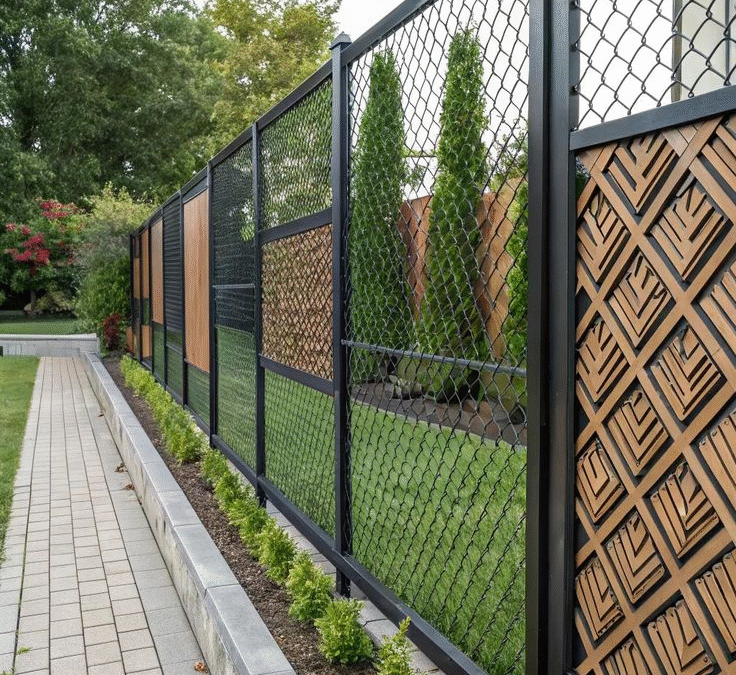
Choosing the right wood fence for your home can feel overwhelming with so many options available. Whether you’re looking to boost curb appeal, add privacy, or keep pets safe, understanding which wood fence works best for your needs will save you time, money, and future headaches.
The best wood fences for residential properties are cedar, redwood, and pressure-treated pine. Cedar offers natural rot resistance and beauty, redwood provides exceptional durability with minimal maintenance, and pressure-treated pine delivers the most budget-friendly option. Your choice depends on your climate, budget, and desired lifespan—cedar and redwood last 15-30 years with proper care, while treated pine typically lasts 10-15 years.
What Are the Most Popular Types of Wood Fences for Homes?
Wood fences remain the top choice for residential properties because they combine natural beauty with functionality. Here are the three most popular options homeowners choose:
Cedar Fencing
Cedar stands out as the gold standard for residential wood fences. This wood contains natural oils that repel insects and resist rot without chemical treatment. The warm, reddish-brown color weathers to an attractive silver-gray patina over time.
Why homeowners love cedar:
- Natural resistance to decay and insects
- Lightweight yet strong
- Easy to cut and install
- Pleasant aroma
- Takes stain and paint exceptionally well
I’ve installed dozens of cedar fences in the Pacific Northwest, and clients consistently report that their fences look great even after 20 years with minimal maintenance.
Redwood Fencing
Redwood offers premium quality with a rich, distinctive color. Like cedar, redwood contains natural tannins that protect against rot, decay, and insect damage. It’s slightly more expensive but delivers outstanding longevity.
Key benefits of redwood:
- Superior dimensional stability (won’t warp easily)
- Naturally fire-resistant
- Gorgeous grain patterns
- Holds up excellently in wet climates
- Low shrinkage compared to other woods
Pressure-Treated Pine Fencing
Pressure-treated pine provides an economical choice that still delivers good performance. The treatment process forces preservatives deep into the wood fibers, protecting against rot and termites.
What makes treated pine appealing:
- Most affordable wood fencing option
- Widely available at lumber yards
- Good strength and durability
- Can be painted or stained after weathering
- Excellent for budget-conscious projects
How Do You Choose the Right Wood Fence for Your Property?
Selecting the perfect wood fence requires balancing several factors. Here’s what you need to consider:
Consider Your Climate
Your local weather patterns significantly impact fence longevity:
- Humid or rainy areas: Cedar and redwood excel because of natural moisture resistance
- Dry climates: Any wood type works well, making budget-friendly pine attractive
- Extreme temperature swings: Redwood handles expansion and contraction best
- Coastal regions: Cedar resists salt air damage better than most woods
Evaluate Your Budget
Wood fence costs vary considerably based on material choice:
| Wood Type | Cost per Linear Foot (Installed) | Expected Lifespan |
| Pressure-Treated Pine | $15-$30 | 10-15 years |
| Cedar | $25-$45 | 15-30 years |
| Redwood | $35-$60 | 20-30+ years |
While redwood costs more upfront, the longer lifespan often makes it cost-effective over time. Calculate total ownership costs, not just installation prices.
Determine Your Primary Purpose
What do you need your fence to do?
- Privacy: Solid board fences using cedar or redwood work best (6-8 feet tall)
- Pet containment: Treated pine offers durability at lower cost for shorter fences
- Decorative borders: Cedar picket fences provide charm and define boundaries
- Security: Any wood type works, but combine with proper height and gate locks
What Wood Fence Styles Work Best for Residential Use?
The style you choose affects both appearance and function. Here are the most popular residential fence styles:
Privacy Fence
Privacy fences use vertical boards placed tightly together with no gaps. They typically stand 6 feet tall and completely block sight lines into your yard.
Best wood choices: Cedar or redwood for longevity in the vertical position
Ideal for: Backyards, pool areas, patios, and properties near busy streets
Picket Fence
Classic picket fences feature vertical boards with spaces between them, creating an open, welcoming look. Heights range from 3 to 4 feet.
Best wood choices: Cedar holds paint beautifully for that traditional white picket fence
Ideal for: Front yards, garden borders, and cottage-style homes
Split Rail Fence
Split rail fences use horizontal rails fitted into vertical posts, creating a rustic, open boundary. They’re typically 4 feet tall with 2 or 3 rails.
Best wood choices: Cedar or pressure-treated pine for the posts (which contact soil)
Ideal for: Large properties, ranch-style homes, and decorative boundaries
Board-on-Board Fence
This style overlaps vertical boards on alternating sides of the fence, providing privacy while allowing some air circulation.
Best wood choices: Cedar or redwood for dimensional stability
Ideal for: Properties needing privacy with airflow, windy locations
How Long Do Wood Fences Last?
Wood fence lifespan depends on wood type, climate, and maintenance. Here’s what you can realistically expect:
With minimal maintenance:
- Pressure-treated pine: 8-12 years
- Cedar: 15-20 years
- Redwood: 20-25 years
With regular maintenance (annual cleaning and sealing):
- Pressure-treated pine: 12-18 years
- Cedar: 25-30 years
- Redwood: 30-40 years
From my experience installing fences across different climates, proper maintenance easily doubles fence lifespan. A cedar fence with annual sealing can outlast an untreated redwood fence, despite redwood’s superior natural properties.
What Maintenance Do Wood Fences Need?
Wood fences require regular care to maximize their lifespan and appearance. Here’s a practical maintenance schedule:
Annual Maintenance Tasks
- Clean the fence: Use a garden hose or pressure washer (low setting) to remove dirt, mildew, and debris
- Inspect for damage: Look for loose boards, popped nails, or rotting wood
- Apply sealant or stain: Protect against moisture and UV damage
- Check posts: Ensure fence posts remain stable and haven’t rotted at ground level
Every 2-3 Years
- Restain or repaint (if using paint)
- Replace any damaged boards
- Reinforce or replace wobbly posts
- Trim vegetation touching the fence
Ongoing Care
Keep plants and sprinklers away from fence boards. Moisture contact accelerates wood decay. I’ve seen beautiful cedar fences rot prematurely simply because bushes held moisture against the wood.
Why Should You Choose Wood Over Other Fence Materials?
Wood remains popular despite alternatives like vinyl and metal. Here’s why homeowners still prefer wood fences:
Natural beauty: Wood provides warmth and character that synthetic materials can’t replicate. Every board has unique grain patterns.
Customization: Wood can be cut, shaped, painted, or stained to match any aesthetic vision. You’re not limited to pre-manufactured styles.
Repairability: Replacing damaged wood boards is straightforward and inexpensive. You don’t need to replace entire sections.
Environmental considerations: Wood is renewable and biodegradable, unlike vinyl which contributes to plastic waste.
Property value: Quality wood fencing increases home value more than vinyl alternatives in most markets.
Cost-effectiveness: Entry-level wood (treated pine) costs less than quality vinyl, making it accessible for tight budgets.
How Much Does a Wood Fence Installation Cost?
Understanding total project costs helps you budget appropriately. Here’s a realistic breakdown:
Material Costs (Per Linear Foot)
- Pressure-treated pine: $8-$15
- Cedar: $15-$25
- Redwood: $20-$35
Labor Costs (Per Linear Foot)
Professional installation typically adds $10-$20 per linear foot, depending on:
- Fence height and style complexity
- Terrain difficulty
- Gate installations
- Old fence removal
- Local labor rates
Additional Costs to Consider
- Permits: $50-$300 (check local requirements)
- Old fence removal: $3-$5 per linear foot
- Gates: $200-$800 each
- Staining/sealing: $1-$3 per linear foot
- Concrete for posts: $5-$10 per post
Example project cost: A 150-foot cedar privacy fence (6 feet tall) with one gate typically costs $4,500-$6,750 installed, including materials and labor.
When Is the Best Time to Install a Wood Fence?
Timing your fence installation affects both cost and quality. Here’s what to consider:
Best Seasons for Installation
Late spring and early fall provide ideal conditions:
- Ground is workable (not frozen or muddy)
- Moderate temperatures make installation comfortable
- Wood has time to acclimate before extreme weather
- Contractors often offer better rates (off-peak season)
Avoid winter in cold climates—frozen ground makes post installation extremely difficult.
Summer works but expect higher contractor demand and potentially higher prices.
Before Installation Considerations
Allow the wood to acclimate to your climate for 1-2 weeks before installation. This prevents excessive warping or shrinking after installation.
Always call 811 before digging to mark underground utilities. This free service prevents dangerous and expensive accidents.
Frequently Asked Questions About Wood Fences
What is the most durable wood for fencing?
Redwood is the most durable wood for fencing, lasting 30-40 years with proper maintenance. Its natural tannins provide excellent rot and insect resistance. Cedar comes in a close second, lasting 25-30 years when properly maintained. Both outperform pressure-treated pine significantly in longevity tests.
Should I seal my wood fence right after installation?
Wait 3-6 months after installation before sealing a new wood fence. Fresh lumber contains high moisture content that needs to escape. Sealing too early traps moisture inside, leading to warping, cracking, and premature rot. The wood should feel dry to the touch before applying any sealant or stain.
Can wood fences withstand strong winds?
Yes, properly installed wood fences handle strong winds well when built correctly. Use posts set 2-3 feet deep in concrete, space posts no more than 8 feet apart, and consider board-on-board or shadowbox styles that allow wind to pass through. Solid privacy fences need reinforced posts in high-wind areas.
How do I prevent my wood fence from rotting?
Prevent wood fence rot by keeping the bottom boards 2-4 inches above ground level, applying water sealant every 1-2 years, ensuring proper drainage around posts, trimming vegetation away from the fence, and choosing naturally rot-resistant woods like cedar or redwood. Regular maintenance is the key to longevity.
Is cedar or pressure-treated pine better for fences?
Cedar is better for fences if your budget allows—it lasts longer (15-30 years vs 10-15 years), resists rot naturally without chemicals, and looks more attractive. Pressure-treated pine costs 30-50% less and works well for budget projects or temporary fencing. Choose based on how long you plan to stay in your home.
Do wood fences need to be painted or stained?
Wood fences don’t require paint or stain to function, but applying a protective finish extends lifespan significantly. Clear sealants protect against moisture and UV damage while maintaining natural wood color. Stains add color protection and typically last 3-5 years. Paint provides the longest-lasting protection but requires more maintenance.
How deep should fence posts be installed?
Fence posts should be installed 1/3 of their total length underground, with a minimum depth of 2 feet. For a 6-foot fence, set posts 2-3 feet deep. In areas with frost, install posts below the frost line (typically 3-4 feet in northern climates) to prevent heaving during freeze-thaw cycles.
Can I install a wood fence myself?
Yes, DIY wood fence installation is possible for homeowners with basic carpentry skills and the right tools. You’ll need a post hole digger, level, saw, drill, and measuring tools. Expect to spend 2-3 weekends on a typical residential project. However, hiring professionals ensures proper installation, saves time, and often includes warranties.
Making Your Final Decision on Wood Fences
Choosing the best wood fence for your residential property comes down to balancing durability, budget, and aesthetics. Cedar and redwood offer superior longevity and natural beauty, making them excellent investments for homeowners planning to stay long-term. Pressure-treated pine provides a cost-effective solution that still delivers solid performance for 10-15 years.
Consider your climate, intended fence purpose, and maintenance commitment when making your choice. A well-installed wood fence enhances privacy, security, and property value while adding timeless natural beauty to your home.
Ready to transform your property with a quality wood fence? At Aym’s Fence, we specialize in professional fence installation using premium materials. Our experienced team helps homeowners throughout the region select and install the perfect fence for their needs. Contact us today for a free consultation and discover how the right wood fence can enhance your home’s beauty and functionality for decades to come.