Choosing the right fence for your property is a big decision. You’re not just picking something that looks nice—you’re making an investment that affects your home’s curb appeal, security, privacy, and maintenance routine for years to come.
Wood fences offer natural beauty, complete privacy, and lower upfront costs ($15-30 per linear foot), but require regular maintenance and last 15-20 years. Metal fences (aluminum or steel) provide superior durability, minimal maintenance, and 30-50+ year lifespans at $20-40+ per linear foot, but offer less privacy and higher initial investment. Choose wood for privacy and aesthetics on a budget; choose metal for long-term value and security.
What Are the Main Differences Between Wood and Metal Fences?
The fundamental differences come down to material properties, and these create ripple effects across every aspect of fence ownership.
Wood fences use natural lumber—typically cedar, pine, or redwood. They’re organic, breathable materials that change over time. You can cut them, shape them, and customize them easily. But they’re also vulnerable to weather, insects, and rot.
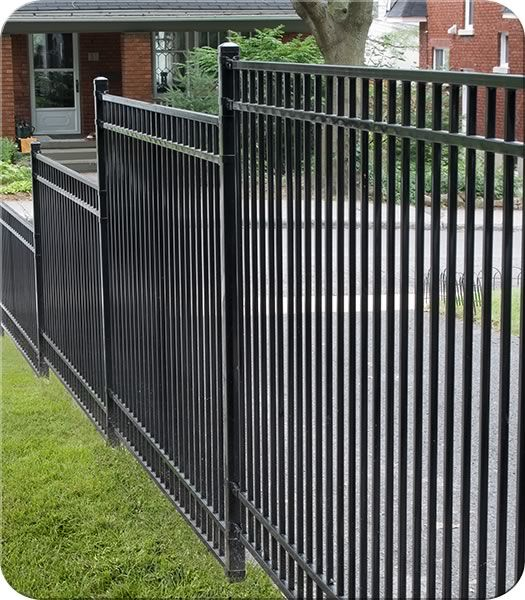
Metal fences use manufactured materials like aluminum, steel, or wrought iron. They’re engineered for strength and consistency. They don’t rot, warp, or attract pests. But they’re rigid, harder to modify, and conduct heat.
Here’s what this means in practice:
- Appearance flexibility: Wood can be stained any color and built in countless styles. Metal comes in limited colors and styles but maintains its look indefinitely.
- Installation: Wood is lighter and easier to DIY. Metal often requires professional installation.
- Weather response: Wood expands and contracts with humidity. Metal stays dimensionally stable but can rust (steel) or dent (aluminum).
How Much Does Each Type of Fence Cost?
Let’s talk real numbers because budget matters.
Initial Installation Costs
Wood Fence Costs:
- Material cost: $8-15 per linear foot
- Installation: $7-15 per linear foot
- Total: $15-30 per linear foot installed
- 100-foot fence: $1,500-3,000
Metal Fence Costs:
- Aluminum: $20-30 per linear foot installed
- Steel: $25-40+ per linear foot installed
- Wrought iron: $30-50+ per linear foot installed
- 100-foot fence: $2,000-5,000+
Long-Term Ownership Costs
This is where things get interesting. I always tell homeowners to think beyond the sticker price.
Wood fence maintenance over 20 years:
- Staining/sealing every 2-3 years: $300-600 per treatment
- Repairs (boards, posts): $200-500 every 5-7 years
- Total maintenance: $2,500-4,500
Metal fence maintenance over 20 years:
- Occasional cleaning: $50-100 annually
- Minor rust treatment (steel): $100-300 over lifetime
- Total maintenance: $1,000-2,500
When you factor in maintenance, a wood fence that costs $2,500 upfront becomes $5,000-7,000 over 20 years. A metal fence at $4,000 upfront stays around $5,000-6,500 total.
What Are the Pros and Cons of Wood Fences?
Wood Fence Advantages
Privacy is unbeatable. If you want to block sightlines completely, wood delivers. You can build solid board-on-board or privacy panels that eliminate gaps entirely. I’ve installed wood fences where neighbors literally can’t see anything in your yard.
Customization is unlimited. Want a specific height? No problem. Need a decorative top? Easy. Want to match your home’s architectural style? Wood adapts to anything. You can cut, shape, paint, and modify on-site.
Natural aesthetics win hearts. There’s something about real wood that people love. It feels warm, organic, and homey. A well-maintained cedar fence adds serious curb appeal and complements landscaping beautifully.
Lower upfront investment. For homeowners on a budget, wood makes fencing possible when metal might be out of reach.
Wood Fence Disadvantages
Maintenance is ongoing and required. You’ll need to seal or stain every 2-3 years. Skip it, and your fence deteriorates fast. I’ve seen untreated fences start rotting within 5 years.
Lifespan is limited. Even well-maintained wood fences typically last 15-20 years. Cedar and redwood do better than pine, but they all have expiration dates.
Weather damage happens. Rain causes rot. Sun causes fading and splitting. Freeze-thaw cycles create cracks. Wind can knock down entire sections.
Pests are a problem. Termites, carpenter ants, and wood-boring beetles love wood fences. In humid climates, this is a serious concern.
What Are the Pros and Cons of Metal Fences?
Metal Fence Advantages
Durability is exceptional. Quality metal fences last 30-50+ years. Aluminum doesn’t rust. Powder-coated steel resists corrosion. You’re buying once and forgetting about it.
Maintenance is minimal. Spray it down once a year. Maybe touch up a scratch. That’s it. No staining, no sealing, no board replacements.
Strength provides security. Metal fences are much harder to break or cut through. For security-conscious homeowners, this peace of mind is worth the investment.
Wind resistance is superior. Because many metal fences have gaps, wind passes through rather than pushing against a solid surface. This means fewer storm-related repairs.
Metal Fence Disadvantages
Privacy is limited. Most metal fences have gaps between pickets. You can see through them, and so can everyone else. While you can add privacy slats, it’s an additional cost and still not as private as solid wood.
Higher upfront cost. You’re paying 30-50% more initially compared to wood. This is a barrier for many homeowners.
Appearance is more industrial. Metal can look institutional or commercial if you’re not careful with design choices. Some HOAs restrict metal fencing for this reason.
Heat transfer matters. In hot climates, metal fences get scorching hot. If you have kids or pets, this is a safety consideration.
Which Fence Type Works Best for Different Situations?
Let me share what I recommend based on real-world scenarios:
Choose Wood Fences If You:
- Need maximum privacy for a backyard, pool area, or hot tub
- Have a limited budget but still want a quality fence
- Prefer natural aesthetics and traditional styling
- Plan to sell within 10-15 years (you won’t deal with long-term maintenance)
- Live in a moderate climate without extreme weather swings
- Want easy customization for gates, decorative elements, or unique layouts
Choose Metal Fences If You:
- Prioritize long-term value over upfront savings
- Want minimal maintenance and maximum durability
- Need security for front yards, businesses, or high-value properties
- Live in harsh climates with extreme weather or humidity
- Value consistency and want your fence to look the same for decades
- Don’t require solid privacy or are willing to add privacy slats
Hybrid Approach
Here’s something many people don’t consider: you can use both. I’ve designed properties where:
- Wood fencing creates privacy in backyards
- Metal fencing provides decorative security for front yards
- This combines the best of both worlds while managing costs
How Do Wood and Metal Fences Compare Side-by-Side?
| Factor | Wood Fence | Metal Fence |
| Initial Cost | $15-30 per linear foot | $20-50 per linear foot |
| Lifespan | 15-20 years | 30-50+ years |
| Maintenance | High (every 2-3 years) | Low (annual cleaning) |
| Privacy | Excellent (solid panels) | Poor to Moderate (gaps) |
| Security | Moderate | Excellent |
| Customization | Excellent | Limited |
| Weather Resistance | Poor to Moderate | Excellent |
| Appearance | Natural, warm | Industrial, clean |
| DIY Installation | Easier | More difficult |
| Eco-Friendliness | Renewable (with responsible sourcing) | Recyclable |
What Should You Consider Before Making Your Decision?
Your Climate Matters
Humid climates: Metal wins. Wood rots faster in constant moisture. I’ve seen wood fences in Florida fail in 10 years despite proper maintenance.
Dry climates: Wood performs better here. Less moisture means less rot, though you’ll still deal with sun damage and splitting.
Extreme temperatures: Metal expands and contracts but doesn’t crack like wood does in freeze-thaw cycles.
Your Property’s Purpose
Residential backyard: Wood provides the privacy most families want for outdoor living spaces.
Front yard/curb appeal: Metal often looks more refined and doesn’t block views of your home.
Commercial property: Metal offers better security and a more professional appearance.
Rental property: Metal reduces your long-term maintenance calls and expenses.
Local Regulations and HOA Rules
Before buying anything, check:
- Height restrictions (common limits are 4-6 feet)
- Material requirements (some HOAs prohibit certain fence types)
- Setback requirements from property lines
- Permit requirements and costs
I’ve seen homeowners drop $3,000 on materials only to discover their HOA doesn’t allow their fence choice. Always verify first.
Frequently Asked Questions
Can wood fences last as long as metal fences?
No, wood fences typically last 15-20 years even with excellent maintenance, while metal fences last 30-50+ years. However, premium woods like cedar and redwood in dry climates with diligent care can reach 25-30 years. The biological nature of wood means it will eventually deteriorate, whereas metal’s main enemy is rust (aluminum doesn’t rust at all).
Which fence type adds more value to my home?
Both add value, but in different ways. Wood fences provide immediate curb appeal and privacy that buyers love, especially in backyards. Metal fences signal low maintenance and longevity, which appeals to buyers seeking turnkey properties. Well-maintained wood typically adds 50-75% of installation cost to home value, while quality metal can add 75-100% because of its longer life expectancy.
Do metal fences rust and require painting?
Aluminum fences don’t rust at all—they’re naturally corrosion-resistant and come powder-coated in various colors that last decades. Steel fences can rust if the protective coating is damaged, but quality galvanized or powder-coated steel resists rust well. Wrought iron requires the most maintenance and may need repainting every 7-10 years in humid climates.
Is one type better for pet containment?
Metal fences are generally superior for pet containment because they’re harder to chew, dig under, or break through. However, wood fences can be built without gaps, which works better for small dogs that might squeeze through metal pickets. For the best pet containment, choose wood for solid coverage or metal with close picket spacing (3-4 inches maximum).
Can I install these fences myself or do I need a professional?
Wood fences are more DIY-friendly—you can rent a post-hole digger, cut lumber on-site, and complete installation with basic tools. Metal fences are trickier because posts must be perfectly aligned, panels are often pre-fabricated, and some types require welding. If you’re handy and have time, DIY wood installation can save 40-50% on labor. Metal fences usually justify professional installation to ensure proper alignment and structural integrity.
Which fence type is more eco-friendly?
This depends on your priorities. Wood is renewable and biodegradable, especially when sourced from sustainably managed forests (look for FSC certification). However, it requires chemical treatments and frequent replacements. Metal, particularly aluminum, is highly recyclable (aluminum can be recycled infinitely without quality loss) and lasts much longer, reducing waste. The most eco-friendly approach? Sustainably sourced wood if you maintain it well, or recycled aluminum for longevity.
Making Your Final Decision
Here’s the bottom line: there’s no wrong choice—only the wrong choice for your specific situation.
If you’re prioritizing privacy and natural beauty on a reasonable budget, wood delivers exactly what you need. You’ll invest more time in maintenance, but many homeowners find the aesthetic worth it.